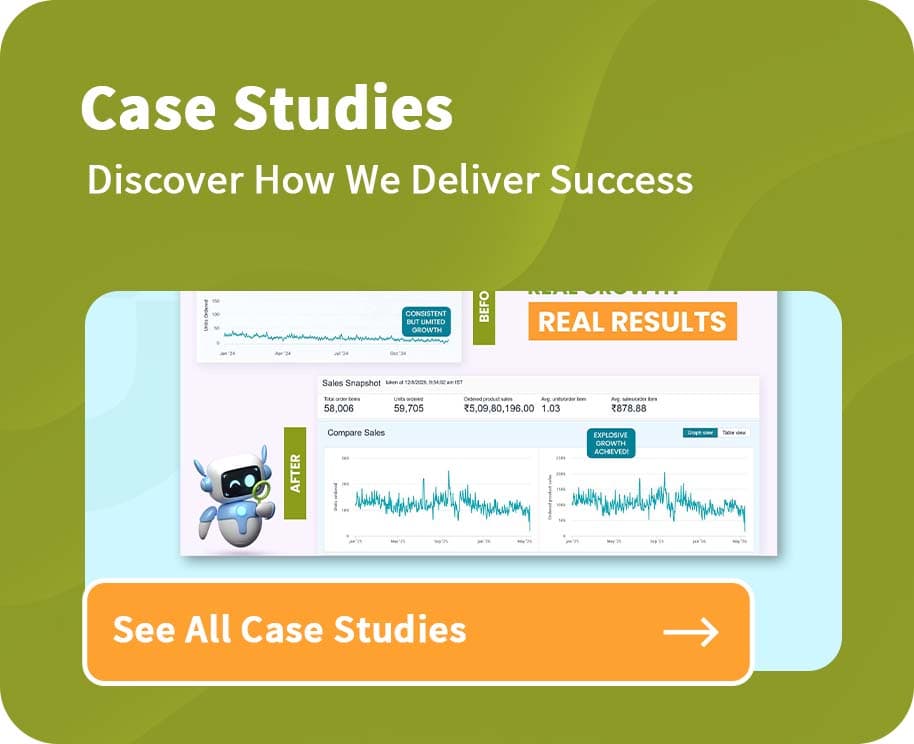
 All Case Studies









Automations we built and still run every day
These are not demos. Each one runs on live business data today, and each taught us where AI helps and where plain code is the safer choice.
Publish once, post everywhere
Social automation Publishing a blog or case study in our Strapi CMS posts it to Telegram, Instagram, Facebook, LinkedIn and Google Business Profile, with the right image shape for each platform. It has been live since September 2026.
A check on every save
Content gate Every save in the CMS is checked against a banned-word list, and each flagged word comes with a suggested swap. Writers fix the copy before it goes live, instead of an editor catching the problem after it is published.
HR dates create IT accounts
RoundGlass sync For RoundGlass we built a Node.js and PostgreSQL service that reads joining and exit dates from Zoho HR and creates, updates and removes Microsoft Azure AD accounts and groups. Accounts are ready 5 days before joining. No AI was needed; rules did the job.
Nine Amazon Ads rule engines
Rules on live spend Our in-house Amazon Ads platform runs bid, budget, dayparting, budget pacing and inventory guard rules on client accounts through Amazon Ads API v3. The inventory guard pauses ads when stock runs low, so spend stops before the shelf is empty.
Conversions sent server-side
CRM to ad platforms Our CRM sends leads and won deals back to Meta, Google and, since November 2026, ChatGPT ads as server-side conversion events, so each ad platform learns from real sales and not only from form clicks.
Logs and a named owner
Accountable steps Every automation writes a log you can read, sends an alert when a step fails, and has a named person accountable for anything that touches brand, legal or money. Each failure gets a root-cause note that updates our checklists.
HOW WE WORK
How Dcrayon works with clients, explained in a short film

Meet our working rhythm: a free review, a written 90-day plan, one weekly call and a monthly recap in plain words.
What is AI Automation?
AI automation is software that runs a repeat business task on its own, using an AI model only for steps that need judgement, such as reading a document, sorting a request or drafting a reply.
Step 1: Rules plus one AI step
Definition Most business workflows are mostly fixed rules: move a record, send a message, update a sheet. AI automation adds a model only where a rule cannot cope, such as reading a messy invoice, sorting an email by intent or drafting a first reply for review.
Step 2: Not the same as an agent
Differentiation An AI agent plans its own steps toward a goal. AI automation follows a fixed path you can draw on paper, with the model doing one bounded job inside it. That makes each run easier to test, easier to audit and simpler to explain to your team.
Step 3: Hours saved, errors caught
Measurement We measure the hours your team spends on the workflow before we start, then track hours after, the error rate, items sent for human approval and failed runs. If a step saves little time, we say so and drop it from the plan.
What you get from an AI automation project
Working automations, written down, with a person in charge of each.
We deliver the automation itself, the map of the workflow it replaces, the approval points, and the logs and alerts that tell you when something needs a look. Code and credentials stay in your accounts.

Workflow map with hour counts
A one-page map of each step, who does it today, how long it takes and how often it goes wrong.
This map is where we decide which step to automate first.

AI steps with fixed limits
Where AI is used, it does one job: read, classify, draft, or decide within rules you wrote.
It returns structured data that code checks before anything moves to the next step.

Connections to your tools
We connect the systems you already use, such as your CMS, CRM, Zoho, Microsoft Azure AD, Google Sheets, ad platforms and marketplaces, through their official APIs and webhooks.
Human approval points
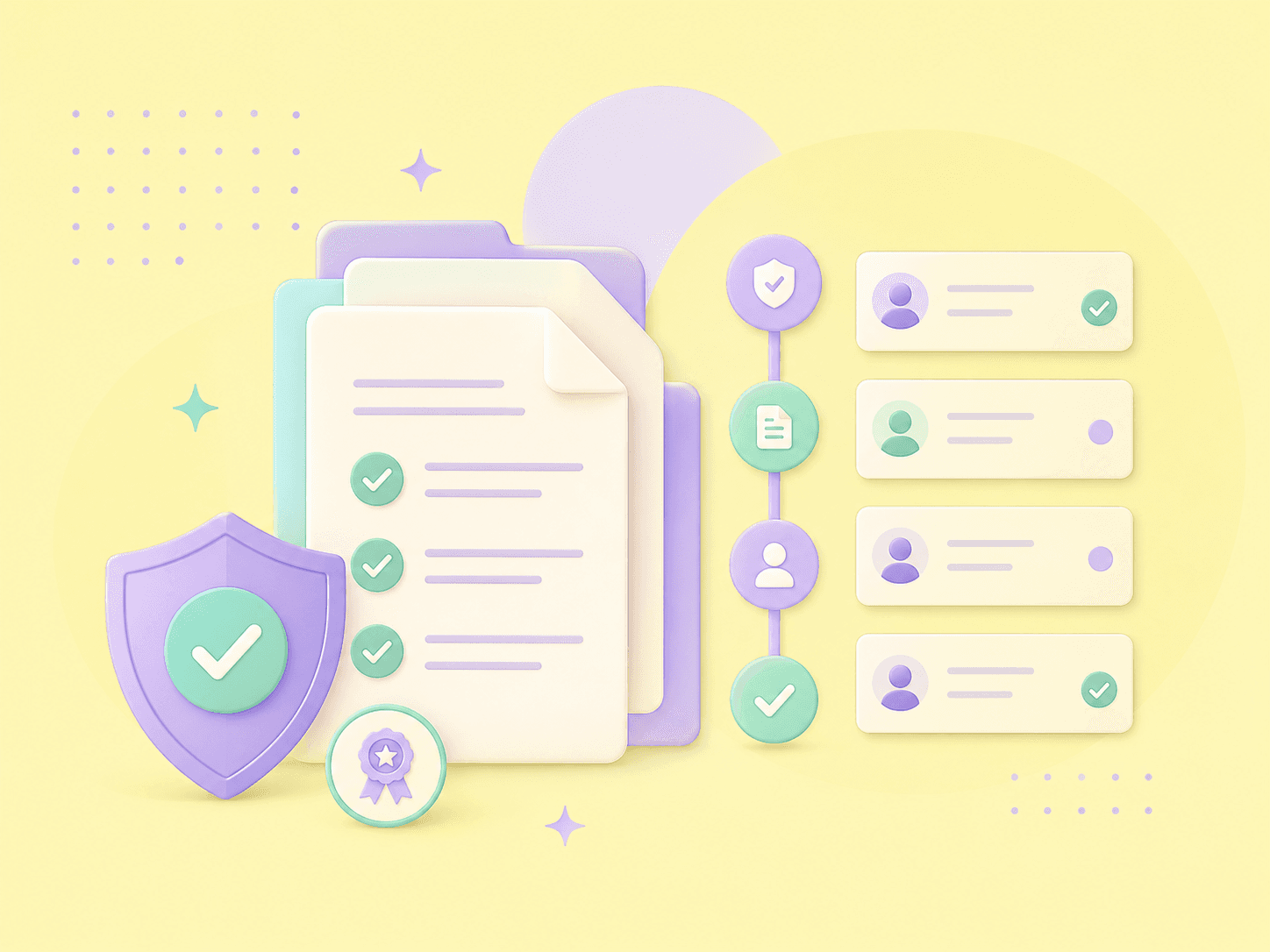
Steps that spend money, change prices, publish under your brand or touch legal wording wait for a named person to approve them, by email, Telegram or inside your admin panel.
Logs, alerts and retries
Each run is logged with its inputs and outputs.
Failed steps retry on a set schedule, then alert a person, so a silent failure does not sit unnoticed for weeks.
Handover notes and ownership
You get the code, the setup notes and a short guide for your staff.
Automations run on your own servers or cloud account, so you keep them if we ever part ways.
From review to running automation
The same three-part path we use for every client, applied here to the workflows your staff repeat by hand every week or every day.
Growth Intelligence (AI Automation review)
The free 150-point review lists your repeat workflows, the hours each one takes, the systems involved and which steps are safe to hand to software first.
Dcrayon Growth Engine (AI Automation plan)
A written 90-day plan tied to one number you pick, such as staff hours saved per week or orders processed without manual entry, with the order of automations agreed.
Dcrayon AI (AI Automation toolkit)
We run our own work on role-based AI agents for research, drafting, review and testing. The same checks and root-cause notes guard client automations, and a person signs off each release.
How Dcrayon automates a workflow safely
We start with the step that is easiest to check, not the one that sounds most impressive.
Step 1: Map and measure
We sit with the people who do the work, write down every step and time it. You see the weekly hours, the points where errors creep in and the steps that need a human's judgement.
Step 2: Automate safest first
The first build is the step with clear inputs and an easy check, such as sorting incoming leads or filing documents. Higher-risk steps wait until the first one has run cleanly on live data.
Step 3: Add approvals
We place a human approval point before money, prices, brand posts or legal text. The approver sees the AI's draft, the source data and one button to approve it or send it back.
Step 4: Log, alert, improve
Every run is logged. Failures trigger an alert and a root-cause note that updates our checklist, and your monthly recap shows hours saved, errors and approvals in plain numbers.
Get my free AI automation review
Name one workflow your team repeats. We map it, estimate the hours it costs you and send a fixed quote.
+187%
Median sales lift, first year

Other Artificial Intelligence services
Automation works best next to the right AI choices. Explore chatbots, consulting, AI agents and generative AI features built by the same team.
What changes when the repeat work runs itself
Staff time moves to work that needs people, and every run leaves a record you can check.
Clients on how Dcrayon runs their work
Read reviews on Google, GoodFirms and Clutch from brands we have served since 2016.

“On time delivery, supportive team. [Dcrayon's] on-time delivery was commendable.”
“The process was smooth and professional. The project achieved strong measurable results, including a 35% increase in website traffic after launching the Shopify website.”
“They ensure all campaigns go live as scheduled without delays. Since [Dcrayon] took over our digital marketing, we consistently achieved our sales targets, especially during festive sales.”
“Dcrayon made everything right. We commissioned a website design + development build from scratch. it shipped on schedule with responsive adjustments through the review cycles and met the Google feature compatibility we needed.”
“Their attention to detail and compliance-focused approach helps build a stronger and more sustainable business. Initially they ask for documentation many sellers find difficult to provide. that is exactly what sets them apart. They now also offer USA seller account management. Loved the service. Bestseller in 3 category.”
“Dcrayon took our Amazon account from steady but flat to explosive growth: 180 percent more revenue, from Rs 1.82 crore to Rs 5.10 crore.”
Keratine Professional
Salon-grade Hair Care on Amazon
WHY DCRAYON
Why teams hand their repeat work to Dcrayon
We run our own automations first
Read how the RoundGlass Zoho HR to Azure AD sync works, see the rule engines on our Amazon Ads partner page, and meet the Dcrayon AI tools behind our own publishing.
Page owner: Rahul Yadav, founder of Dcrayon. Last updated 10 November 2026.
AI only where needed
If a plain rule does the job, we use the rule. The RoundGlass sync has no AI in it, because joining and exit dates needed rules, not judgement.
Amazon Ads Verified Partner
Our rule engines run on client Amazon accounts through the official Ads API v3, Selling Partner API and Amazon Marketing Stream, as an Amazon Ads Verified Partner.
Engineers who write code
Python, Node.js, Laravel and PostgreSQL are our daily tools, so the automation is real code you own and can read, kept in your own repository.
A person owns each step
A named human is accountable for every step that touches brand, legal or money, and approves those steps before they run on your live data.
Failures teach the checklist
When a run fails, we write a root-cause analysis and add the prevention to our checklist, so the same fault is less likely to return on any client.
Leave when you want
After the first 90-day cycle the work is month to month, and you may end any agreement. Code, logs and notes stay in your accounts.




Get a free automation review and a plan for your first workflow
We have worked with 485+ brands. For automation, the free 150-point review times your repeat work and ranks the steps by risk, and we write a 90-day plan tied to one number.
We time each step of one workflow your team repeats
We mark which steps suit rules, which suit AI and which stay human
You see the approval points and alerts before anything is built
You get a fixed price in writing once the review is done

Question & Answer
Frequently asked questions
What buyers ask us about AI automation: cost, safety, approvals, timing and the systems we connect.
AI automation runs a repeat workflow with software and uses an AI model only for the steps that need reading or judgement. It suits work with clear inputs and a clear finish, such as sorting inbound leads, filing documents, posting approved content to many channels or syncing staff records between systems. One-off creative work and decisions about people are a poor fit, and we leave those with your team.
Each automation is a fixed quote, shared after we map the workflow in the free review and signed off by you before we build. The quote depends on how many steps and systems the workflow touches, whether an AI model is used, and how many approval points you want. Running costs, such as AI model usage or cloud hosting in your own account, are listed separately so you know the monthly bill.
Hours saved show up once the first automated step runs on live data, but we do not promise a date because each workflow is different. We start with the safest step so you see a working result early, then add steps one by one. Your monthly recap compares the hours measured at the start with the hours your team spends now.
We need one person who does the work today, admin or API access to the systems involved, and a few real examples of the task, such as sample emails, forms or files. We also need a named approver for steps that touch money, brand or legal text. Access is given through your own accounts, and you can remove it at any time.
We build and run the automation for you as code you own, with logs, alerts and approval points, instead of handing you a tool to set up. Our team works in Python, Node.js, Laravel and PostgreSQL every day, and we already run social publishing, HR sync and Amazon Ads rule engines in production. Where a no-code tool is the better fit, we will say so.
No. The only fixed period is the first 90-day cycle. After it, the work continues month to month, and every agreement we sign lets you leave. The code, setup notes and logs live in your own accounts, so the automation can keep running after we part ways if you choose.
We limit what the AI step can do and check its output with code before anything happens. The model returns structured data, such as a category or a filled form, and rules reject anything outside the allowed values. Steps that spend money or publish under your brand wait for a named person. Our Amazon inventory guard shows the idea: it pauses ads when stock runs low.
Ask about a workflow you want automated
Describe the task in a few lines and we will tell you which parts software can take over.
Pick one workflow and we will map it free
Tell us the task your team repeats most, the tools it touches and how long it takes each week. We will map the steps and show which ones software can take over.
The review costs nothing, the price is fixed before work begins, and a senior person stays with you after launch.