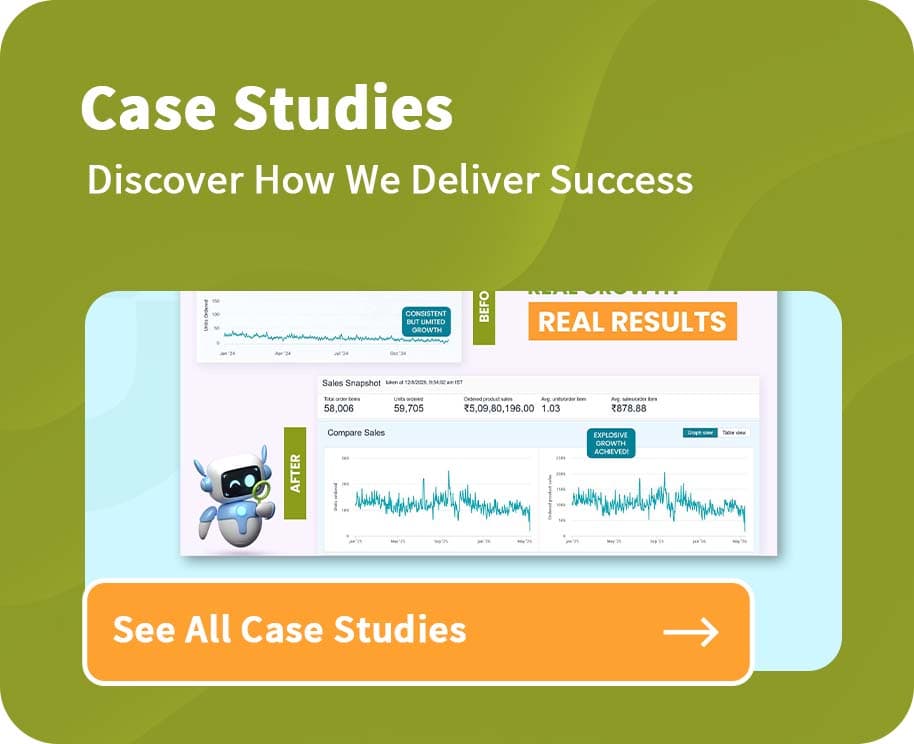
 All Case Studies








Our Google Cloud Platform clients cut spend without slowing releases metrics
Two recent Google Cloud Platform engagements. Full billing and uptime figures under MNDA; walkthrough on a scoping call.
Cloud and Data engagement,
Platform engineering lead, GCP rollout
Dcrayon moved our workloads onto Cloud Run and BigQuery, then sized committed use discounts against real usage. Our monthly GCP bill is now a line the board understands.
Google Cloud Platform engagement: GKE Autopilot rollout, Terraform-managed VPC and IAM, and Cloud Monitoring dashboards a lead SRE reviews each week.
Read Cloud and Data engagement's Case StudyMid-market cloud and data brand,
Google Cloud Platform and data pipeline lead
Our BigQuery costs kept climbing with no owner. Dcrayon set up slot reservations, table partitioning, and budget alerts, and query spend became predictable again.
Google Cloud Platform engagement paired with Dataflow pipelines and Pub/Sub ingestion. A billing export queried in BigQuery set the starting picture.
Read Mid-market cloud and data brand's Case StudyWhy choose Dcrayon for Google Cloud Platform
Dcrayon has shipped 200+ solutions engagements for 60+ active retainers since 2016, from our Delhi HQ and Sheridan, Wyoming office. Our architects hold Google Cloud Professional certifications alongside AWS and Azure, with CEH, OSCP, and CISSP on staff. AI-first since the 2024 pivot.
The architect who scopes your build stays on it
No trainees practicing on your production project. The certified GCP architect who plans your work also builds and runs it.
A five-axis Score before you commit
A written GCP diagnostic and a fixed estimate up front. You see the plan and the price before signing, not after a long discovery.
Vertex AI in production, not slideware
Every engagement includes practical machine learning on GCP: Vertex AI pipelines, BigQuery ML forecasting, and anomaly alerts on cost and traffic.
A monthly readout your CFO can read
Weekly delivery plus a monthly report tying GCP spend and SLOs to your chosen metric, in plain numbers finance can act on.
HOW WE WORK
How Dcrayon works with the brands we partner with

A short film on how we work: the people you deal with, how we report, and the results we hold ourselves to.
What we build on Google Cloud
Three areas that carry most Google Cloud engagements, from container platform to models in production.
Step 1: GKE and Cloud Run platform
Containers and serverless Cluster and service design with autoscaling, ingress and release tooling, so deploys are routine rather than events.
Step 2: BigQuery and Dataflow pipelines
Analytics that stay affordable Partitioned and clustered tables, slot reservations and pipeline design, so query cost does not scale with curiosity.
Step 3: Vertex AI in production
Beyond the notebook Training and serving pipelines, model registry, monitoring and drift alerts, so a model keeps working after launch week.
The Google Cloud Platform engineering standards we hold every build to
What ships as standard on every Dcrayon Google Cloud Platform build
Each standard below maps to a checkable control in your GCP org, set up and verified by the architect who owns your account.

Terraform-tracked change evidence
Every change lands as a reviewed Terraform pull request, with Cloud Logging diffs, cost impact, and an updated runbook attached to it.

Anomaly and cost monitoring
We wire Cloud Monitoring anomaly alerts, BigQuery billing forecasts, and Terraform drift detection into your GCP project from the first sprint.

FinOps and cost control
Billing export to BigQuery, resource labels, and committed use discount planning show cost per workload, not just total GCP spend.
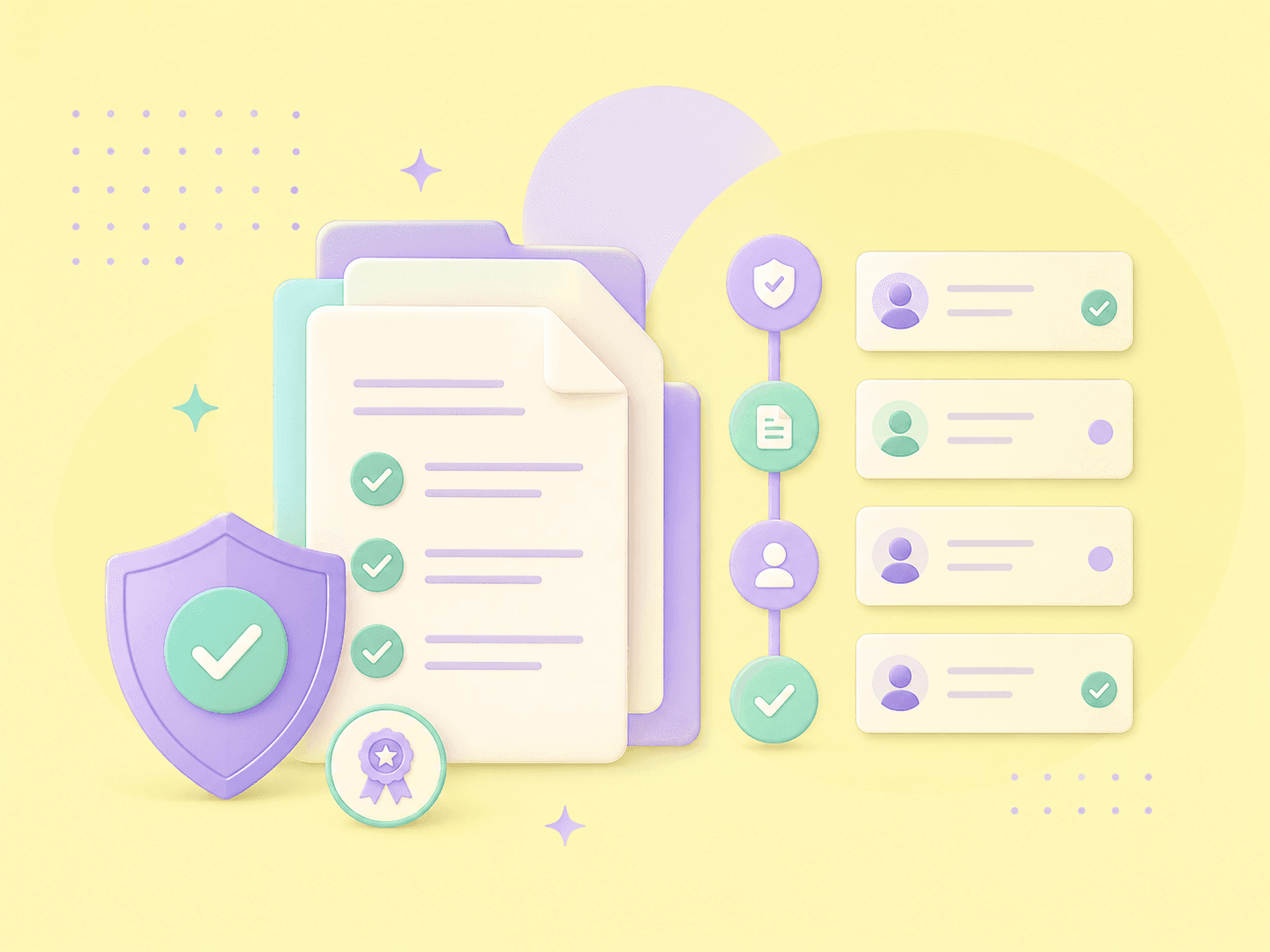
Security and compliance guardrails
We apply organization policies, VPC Service Controls, and Security Command Center findings so SOC2, ISO 27001, and GDPR controls hold by default.
The three methods we run on every Google Cloud Platform engagement
Score, Plan, Compound. A GCP diagnostic, a one-quarter build plan, and the automation we run to keep cost and reliability in check.
Growth Intelligence (Google Cloud Platform axis)
A six-dimension review across five areas. The Google Cloud axis grades your project and folder layout, Committed Use Discount coverage, IAM and VPC Service Controls, Terraform state, and BigQuery adoption. Free on every proposal call.
Dcrayon Growth Engine (Google Cloud Platform plan)
A one-quarter plan that ties each GCP change, from GKE hardening to BigQuery tuning, back to a single operational metric you choose.
DcrayonAI (Google Cloud Platform toolkit)
Our internal tooling audits your GCP projects against the Score axes and produces a ranked fix list with cost estimates your CFO can budget.
How Dcrayon runs Google Cloud Platform work
Three repeatable practices that make each Google Cloud Platform cycle safer and cheaper than the last.
Step 1: Score
Free Growth Intelligence readout in one business day. A five-area Google Cloud review mapped to your billing export and real usage, giving one 0-100 number plus a ranked gap list. No follow-on commitment.
Step 2: Plan
A written 90-day Google Cloud plan tied to one operational metric you pick, such as p95 latency or cost per BigQuery query. A senior architect writes the Terraform and the SoW. Either side can end the work at day 90.
Step 3: Compound
Weekly working session with your senior architect, plus a monthly cost-and-reliability summary your finance team can read. The work stacks: IAM and network hardening first, then GKE and BigQuery adoption, then Cloud Build automation.
Get a readout of your Google Cloud project
A written five-area review mapped to your bill and your service levels, with a fixed estimate, in one business day.

Other Cloud and Data solutions
Sibling Dcrayon services inside the Cloud and Data category. Programs clients often layer alongside Google Cloud Platform.
WHY DCRAYON
Why teams keep their Google Cloud work here
Four commitments across platform, data and machine learning.
BigQuery cost is designed, not discovered
Partitioning, clustering and reservations are part of the build, so the bill does not become an incident in month three.
The certified architect stays on
No trainees practicing on your production project. The architect who scopes the build is the one running it.
Models ship with monitoring
Every Vertex AI model gets a retraining path and drift alerts, because an unmonitored model quietly stops being right.
Terraform, then a report finance reads
The estate is defined in code, and the monthly readout ties spend and service levels to the metric you chose.


Real client work, with the receipts

200%
Improvement in conversion performance
Proven Water Industries
Proven's growth on Amazon over the engagementDcrayon's work on Proven's Amazon account has run as a long-term growth programme rather...

Keratine Professional
What is in place on Keratine Professional's accountOn Amazon.in today, the brand's lead listings name the product type, the hair concern...

3,400%
Sales growth on Amazon India
GetSetNova
Sales up 3,400% on Amazon IndiaOver the engagement, GetSetNova's sales on Amazon India are up 3,400%, and the brand holds Amazon Best...

McCormick & Company
What changed on McCormick's front endThe front end now loads non-essential scripts after the main content, runs third-party tags through...
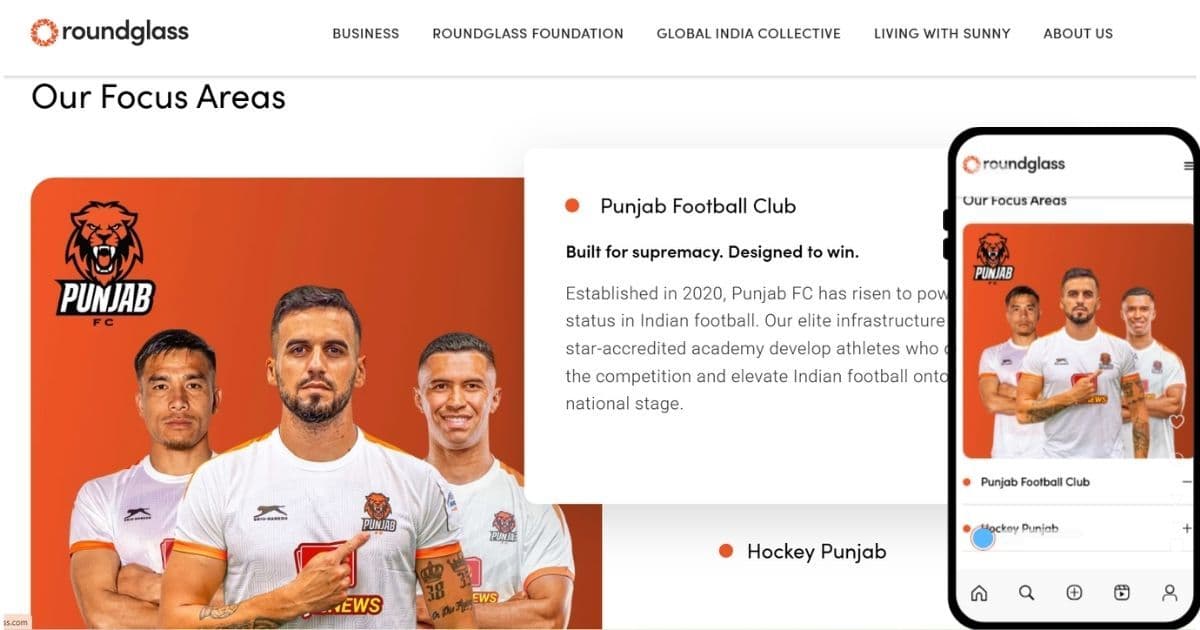
Roundglass
What changed for Roundglass's HR team, IT and new employeesAccount creation, group membership and licence assignment now follow the...
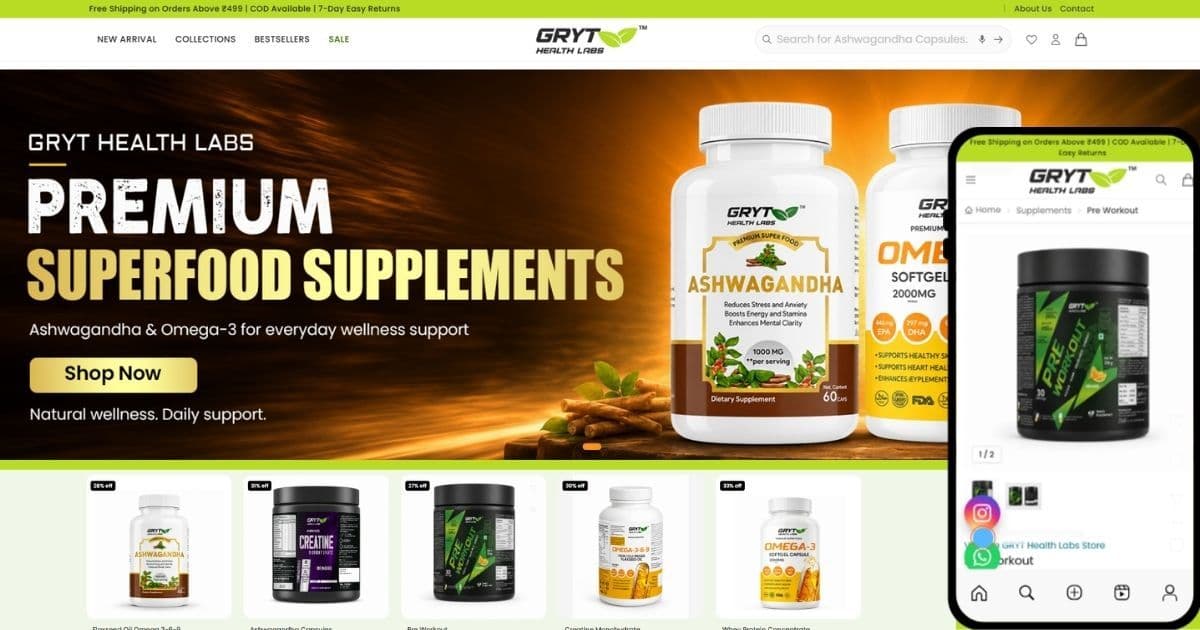
GRYT Health Labs
What GRYT shoppers can do on the storeShoppers can check the brand's licence and ownership details, compare single units with packs of...

Daddy of Tastes
What the Daddy of Tastes kitchens and riders work withCustomers can order from the full menu, pin their exact location, pay through...
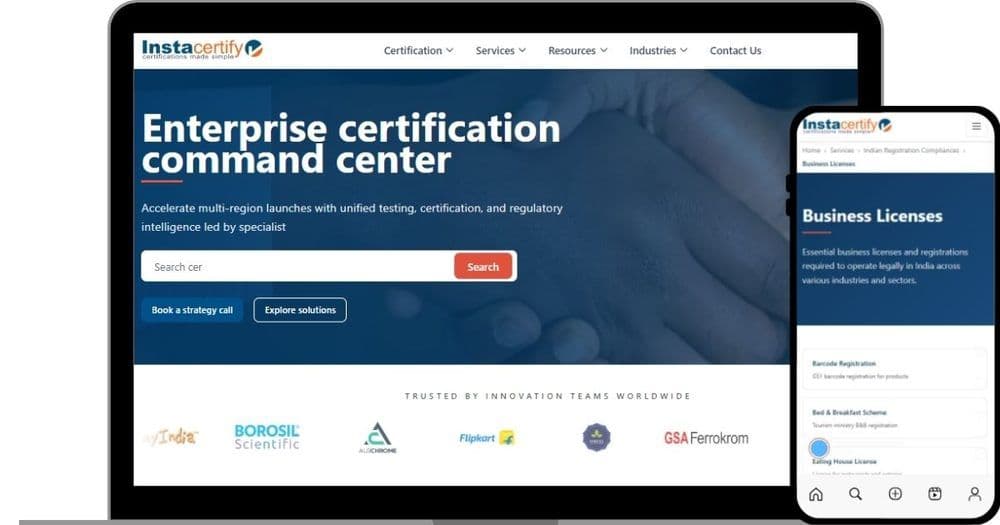
Instacertify
What Instacertify's visitors could doVisitors could search for a certification from the first screen, see two clear next steps, and move...
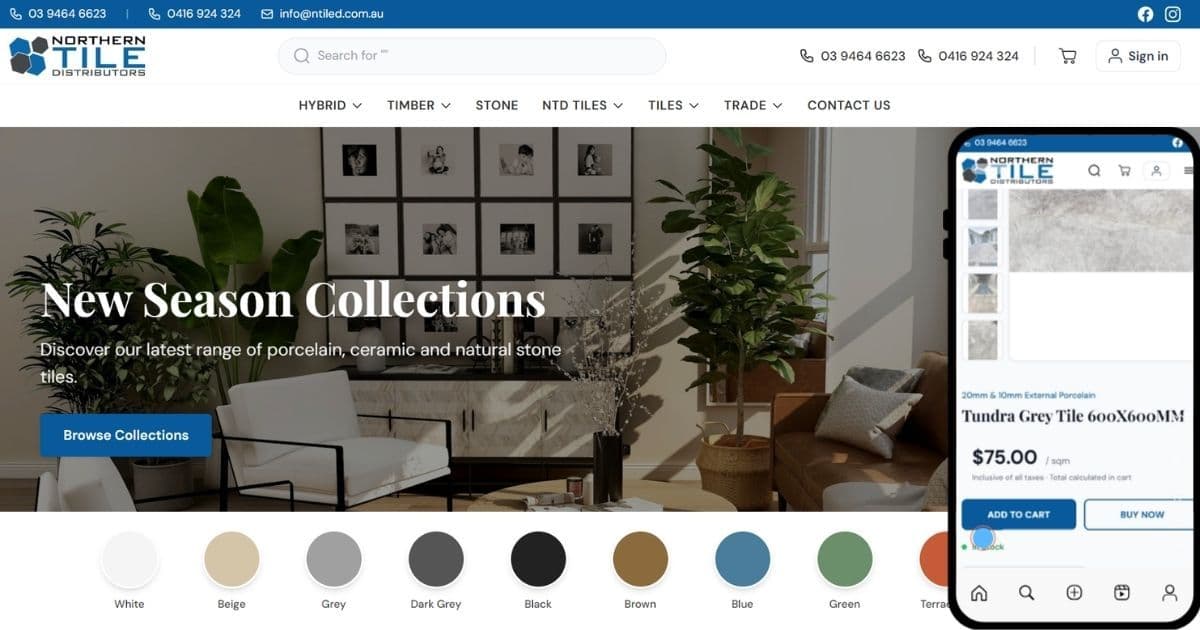
Northern Tile Distributors
The storefront delivers a clean shopping experience on both desktop and mobile. Page load times improved significantly, the add-to-cart rate...

RAA Logistics
What RAA's customers and team have nowProspective customers can find the exact service they need, read what it covers, see who runs the...



The Google Cloud Platform Score costs nothing. The one-quarter plan is yours to keep.
Across our 60+ active solutions retainers, the median 12-month waste we measure for teams running Google Cloud without a structured program lands in the Rs 6L to Rs 90L band. Often idle VMs, unused disks, and on-demand pricing. Book the scoping call to size yours.
A five-axis Dcrayon Google Cloud Platform Score at no cost
A written one-quarter GCP plan mapped to one metric you pick
A mutual exit clause in every SoW, no annual lock-in
Your certified GCP architect building from week one

Google Cloud Platform FAQs
Most Google Cloud Platform engagements begin within a few weeks of signing, once we have project access. Post-incident work is prioritized and starts sooner.
Both. Some clients hand us the whole GCP practice; others keep us as senior architect and escalation for their own engineers. We scope per account.
Most Google Cloud engagements start at Rs 4 to 8 lakhs per month in India, or USD 6 to 15 thousand per month for global clients. Audit-only work, such as a billing and IAM review, starts lower.
Yes. Every proposal call includes a free five-axis GCP Score readout, with no follow-on commitment required.
Ready to Grow Your Business?
Get expert digital marketing that delivers measurable results. Free consultation available.
We will review how your search, paid and marketplace channels are performing, and point out the gaps costing you the most right now.
You will finish the call knowing what to fix first, whether or not you work with us.