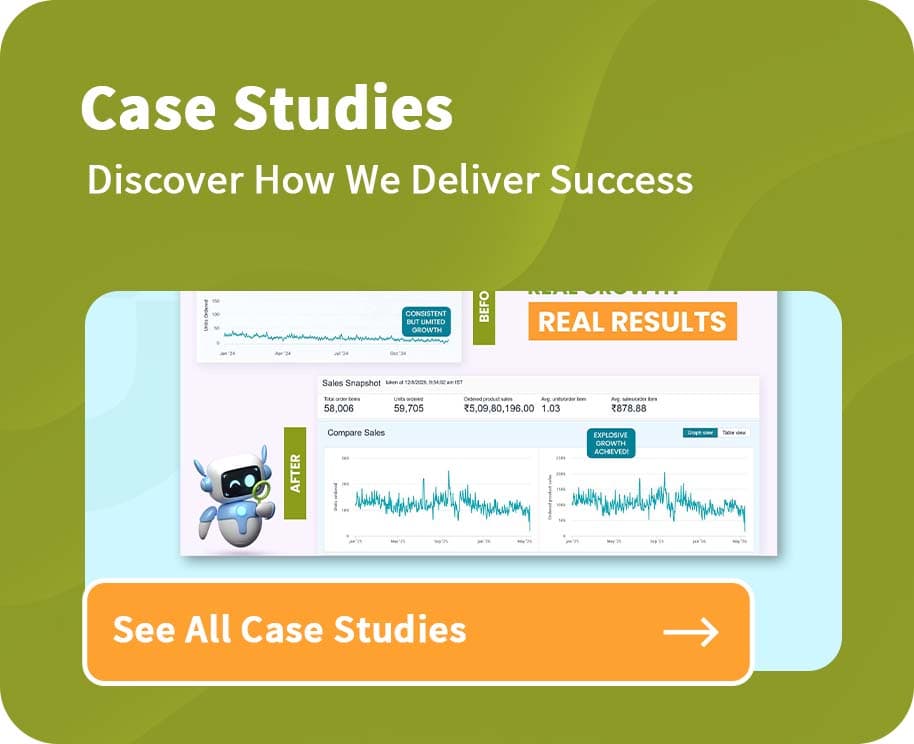
 All Case Studies









Agents we run in our own business every day
Our CMS, our task system and our Amazon Ads platform all run on agents or rule engines we built. You get the lessons from running them, including the failures.
ChatGPT connector to our CMS
Live since October 2026 We built a Model Context Protocol (MCP) server through which ChatGPT drafts, publishes and schedules pages, blog posts and social posts in our Strapi CMS. Each save passes our content check before anything reaches the live site.
Multi-agent agency operations
Plan, review, test Our own agency work runs on a multi-agent system, with separate AI roles for research, drafting, review, testing and reporting. A task counts as done only after a knowledge check, planning, self review, peer review and testing.
Failures become checklist rules
Root-cause analysis When a task fails in our system, it opens a root-cause analysis. The fix is written into the checklist the agents follow next time, so the same mistake is caught at an earlier step rather than repeated.
Rule engines on Amazon Ads
Nine engines, client accounts Our in-house Amazon Ads platform runs nine rule engines on Amazon Ads API v3, including bid, budget, dayparting and an inventory guard that pauses ads when stock runs low. They act on client ad accounts within set limits.
Named human for risky steps
Brand, legal, money In our own system, any step that affects brand, legal or money waits for a named owner to approve it. We build client agents the same way: the agent prepares the action, and a person gives the final yes.
Partner listings and ratings
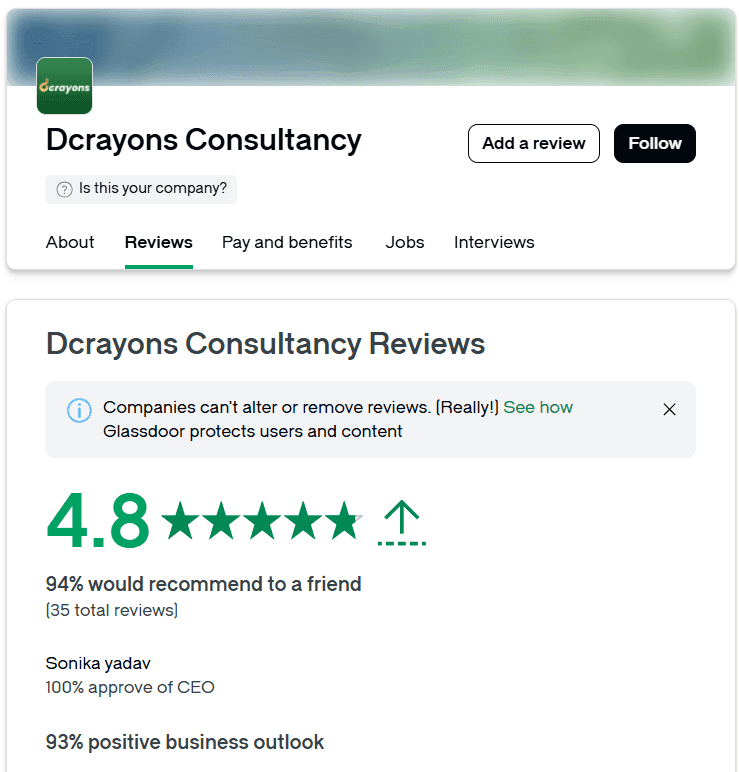
Amazon Ads Verified Partner Dcrayon is an Amazon Ads Verified Partner and a Shopify Partner. Google reviewers rate us 4.8 from 127 reviews, GoodFirms and Clutch carry more client reviews, and we have delivered 500+ projects and campaigns since 2016.
HOW WE WORK
How a Dcrayon project runs, from free review to weekly calls

Watch how we run client work: a free review, a written plan with one target number, then weekly calls with the senior person who owns your account.
What is AI Agent Development?
AI agent development is building software where an AI model plans a task, picks tools such as APIs or database queries, takes actions and checks the result, until the goal is met or a person must step in.
Step 1: Goal, tools and a loop
Definition An agent gets a goal, a set of tools it may call and a stop rule. It plans a step, calls a tool, reads the result and decides what to do next. A tool can be your CRM API, a database query, a CMS draft or an email send.
Step 2: Acts, rather than chats
Differentiation A chatbot replies with text and leaves the work to you. An agent finishes the work: it creates the draft, updates the record or files the ticket. Rule-based agents, like our Amazon Ads bid and budget engines, act without a language model at all.
Step 3: Judged by finished tasks
Measurement We measure the share of tasks finished correctly without help, how often a person had to step in, the cost per finished task and every action in the log. An agent that needs constant rescue has not done its job, however busy it looks.
Agent work we design, build and supervise
Agents with clear limits, a log for every action and a person in charge.
We start with one workflow that has a clear finish line, list every action the agent may take, and decide which steps need a human click before the agent may continue.

Tool and API connections
We expose your systems to the agent as small, named tools: create draft, update lead, check stock.
Where it fits, we use Model Context Protocol so ChatGPT or Claude can call them directly.

Allowed-action lists in code
Each agent gets a written list of actions it may take and fields it may change.
Anything outside the list is refused by the code, not by a polite request in the prompt.

Human approval steps
Steps that touch your brand, legal terms or money pause for a named person.
The agent prepares the change, shows what it will do, and waits for approve or reject.
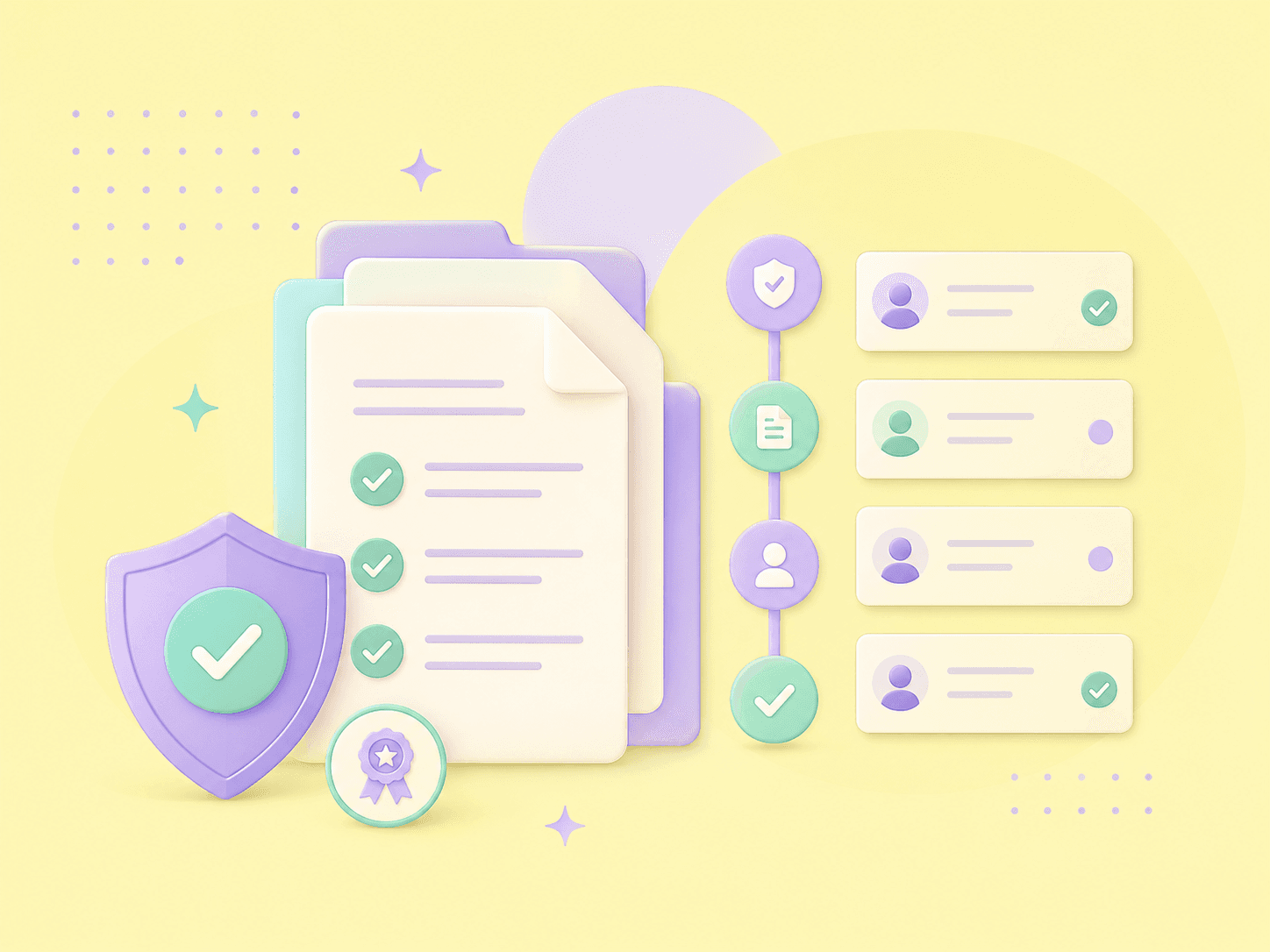
Multi-agent workflows with roles
For longer jobs we split the work across roles such as researcher, writer, reviewer and tester, each with its own checklist.
It is the pattern we use for our own agency tasks.
Full action logs
Every tool call is logged with its input, output, time and cost.
When something goes wrong, you can trace exactly which step did it and what the agent was told at that moment.
Cost caps and stop rules
Agents can loop.
We cap the steps per task, the tokens per run and the spend per day, and the agent stops and alerts a person as soon as it hits a limit.
From agent idea to an agent you trust
A free review to find the right workflow, a 90-day written plan, and our own Dcrayon AI tools to build and test the agent, with a human approving each release.
Growth Intelligence (AI Agent Development review)
The free 150-point review maps your workflows and APIs, marks which steps are safe for an agent and which need a person, and shows where an agent would save the most hours.
Dcrayon Growth Engine (AI Agent Development plan)
A written 90-day plan for one agent, built around one number you pick, such as tasks finished without help, with the allowed-action list and approval steps set out.
Dcrayon AI (AI Agent Development toolkit)
The same tools that run our own agents: task checklists, peer review, test runs and action logs. A senior engineer reads the logs and signs off each change.
How Dcrayon builds an AI agent
Four stages, and the agent gets more freedom only after it earns it.
Step 1: Map
We follow one workflow from start to finish with the person who does it today, write down every step, and mark each one as safe for an agent, needing approval, or staying human.
Step 2: Build tools
We build small, named tools over your APIs, each with input checks and a narrow scope. The agent cannot reach anything that is not a tool on its list.
Step 3: Dry run
The agent works on real tasks but only suggests actions. A person compares its plan with what they would have done, and we close the gaps before it may act on its own.
Step 4: Supervise
The agent acts within its list, pauses for approvals and logs every call. We review the logs each week and widen its permissions only when the numbers show it is ready.
Get my free AI agent workflow review
Name the workflow that fills your team's week. We map it and tell you which steps an agent can safely take on.
+187%
Median sales lift, first year

Other Artificial Intelligence services
Looking for a chat assistant, simple rule-based automation, AI features in a tool you own, or advice before building? See the related services below.
Results from the client work around our agents
Agents usually sit inside a larger project. These are figures from those full engagements.

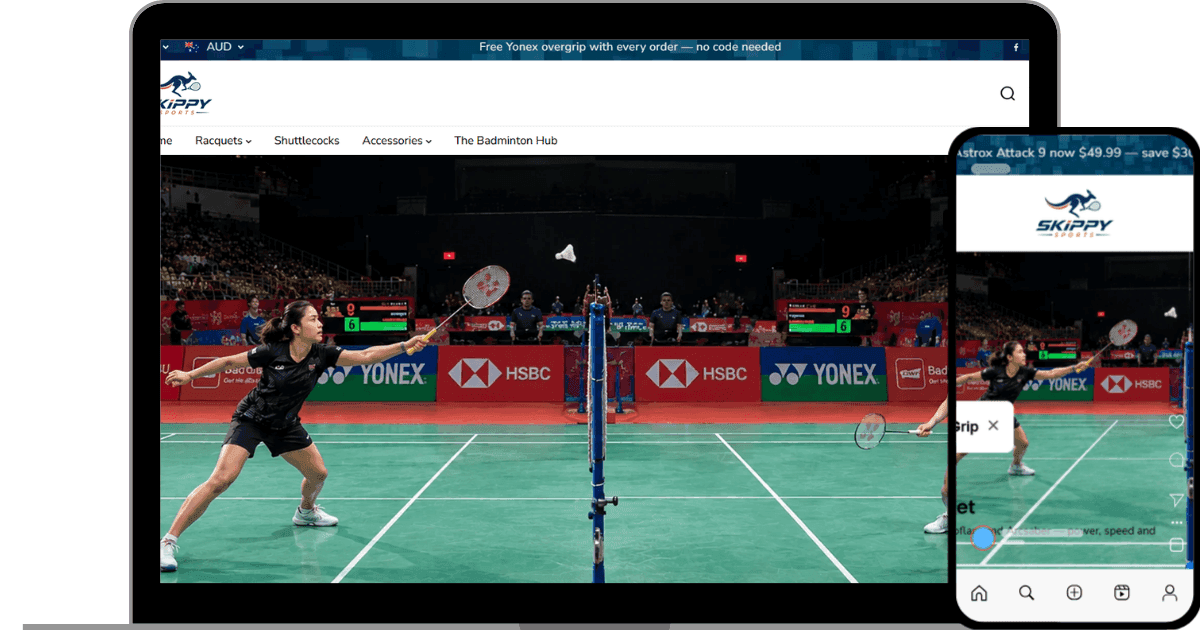
Owners on working with Dcrayon engineers
Reviews from our Google, GoodFirms and Clutch profiles, in clients' own words.

“On time delivery, supportive team. [Dcrayon's] on-time delivery was commendable.”
“The process was smooth and professional. The project achieved strong measurable results, including a 35% increase in website traffic after launching the Shopify website.”
“They ensure all campaigns go live as scheduled without delays. Since [Dcrayon] took over our digital marketing, we consistently achieved our sales targets, especially during festive sales.”
“Dcrayon made everything right. We commissioned a website design + development build from scratch. it shipped on schedule with responsive adjustments through the review cycles and met the Google feature compatibility we needed.”
“Their attention to detail and compliance-focused approach helps build a stronger and more sustainable business. Initially they ask for documentation many sellers find difficult to provide. that is exactly what sets them apart. They now also offer USA seller account management. Loved the service. Bestseller in 3 category.”
“Dcrayon took our Amazon account from steady but flat to explosive growth: 180 percent more revenue, from Rs 1.82 crore to Rs 5.10 crore.”
Keratine Professional
Salon-grade Hair Care on Amazon
WHY DCRAYON
Agents built by a team that runs its own
Guardrails we use on ourselves first
Our Dcrayon AI page shows the agent system we run in-house, and our Amazon Ads Verified Partner page covers the ad accounts where our rule engines run.
Page owner: Rahul Yadav, founder of Dcrayon. Last updated 10 November 2026.
We run agents daily
Our CMS connector, our task system and our Amazon Ads engines run every day. We have watched agents fail, and we design for that from the first map.
Limits live in code
Permissions are enforced by the code that runs each tool. An agent cannot talk its way past a rule, because the rule is not in the prompt.
A person owns risky steps
Brand, legal and money steps wait for a named human. You decide who that person is, and the agent has no way to skip them.
Every action traceable
Full logs of each tool call, with inputs, outputs and cost, so a question like what the agent did last Tuesday has a clear, written answer.
Rules before AI
If a simple rule can do the job, we use a rule. Our Amazon Ads bid and budget engines are rule-based on purpose, because they move real money.
No long lock-in
Once the first 90-day cycle ends, the work rolls on a monthly basis with an exit open in every agreement, and the weekly call keeps you close to the agent.




Get a free agent review and a written 90-day plan for one workflow
We map the workflow, list the actions an agent could take, mark the steps that need your approval and set one target number for the plan. Dcrayon has worked with 485+ clients.
A step-by-step map of one workflow, marked safe, approve or human
The tools and APIs the agent would need, and what it may not touch
Estimated cost per finished task, with a daily spend cap
A 90-day plan with one target number and named approvers

Question & Answer
Frequently asked questions
Answers on AI agents: what they do, what they cost, how they stay safe and how contracts work.
An AI agent is software that plans steps toward a goal and takes actions through tools, such as creating a CMS draft or updating a CRM record. A chatbot mainly replies with text. Our MCP connector is one example: ChatGPT can draft, publish and schedule posts in our CMS, behind a content check.
The build is priced as one fixed quote, which arrives after the free review, before any work starts. Running costs are separate: the model provider bills per request, and an agent makes several requests per task. We estimate the cost per finished task during the dry run and set a daily cap, so spend stays inside your budget.
There is no fixed date, because freedom is earned on your own tasks. Agents start in a dry run where they only suggest actions. Permissions widen step by step as the logs show correct work. Some steps, such as anything touching money or legal terms, may always need a person, and that is a fine outcome.
We need time with the person who does the workflow today, API or admin access to each system the agent will touch, and a named approver for risky steps. A list of actions the agent must never take is also useful, along with past examples of the task done well, so the dry run has a fair benchmark.
We run agents in our own business: a ChatGPT connector to our CMS, a multi-agent task system with peer review and testing, and nine rule engines on our Amazon Ads platform. Our guardrails come from real failures we have found and fixed, and a named human signs off any step that affects brand, legal terms or money.
No. You start with one 90-day cycle, planned in writing around a single target number. After that the work continues month to month, with an exit allowed in every agreement. You hear progress on a weekly call and get a plain monthly recap of what the agent did and what it cost.
Model Context Protocol, or MCP, is an open standard that lets AI apps such as ChatGPT and Claude call tools on your server in a common way. You need it when you want those apps to act inside your systems. We built an MCP server for our own Strapi CMS, and it has been live since October 2026.
Describe the workflow for your agent
Tell us what the job is today and who does it. An engineer replies with the first questions.
Give one workflow to an agent, with you in charge
Choose a job your team repeats every week and that has a clear finish line. We map it, build the tools and run the agent in dry-run mode first.
You approve every widening of its permissions, and you can read every action it has taken, with the cost beside it.