 All Case Studies









Mobile App Development Cost in India: What Sets the Price
October 26, 2026 | 8 min read

Founder and CEO at Dcrayon
The cost of an app built in India comes down to hours, and your scope sets the hours. Eight things move them most: user flows and roles, platforms, the backend, outside integrations, design depth, testing, store compliance and upkeep after launch. Fix those in writing first, and quotes from different agencies become easy to compare.
This guide takes each factor in turn and shows where it appears in a quote. For how our own team plans and ships apps, see our app development service. The only prices stated here are the ones listed on our GoodFirms profile.
What sets the cost of a mobile app in India?
People-time sets it. An agency quote is mostly hours for designers, developers and testers, so every choice that adds work for one of them adds to the price.
- Scope: the number of user journeys and user roles, more than the raw screen count.
- Platforms: Android, iOS or both, and whether tablets or a web version follow.
- Backend: an existing system the app can plug into, or a new one.
- Integrations: payment gateways, couriers, messaging, maps and AI model calls.
- Design: a custom visual style, or an adapted component kit.
- Testing: how many phones and OS versions get checked, and how much is automated.
- Store compliance: privacy forms, account deletion and review notes for Apple and Google.
- Upkeep: yearly platform changes, library upgrades and hosting.
Trimming the feature list is covered in how to plan a Flutter MVP. Here we focus on how each factor turns into a line on the quote.
How do platforms and the backend change the price?
One store costs less than two, and reusing a backend costs less than building one. Flutter and React Native produce Android and iOS apps from a single codebase, so the second platform mostly adds device testing and store work. Two native apps, one in Kotlin and one in Swift, mean two codebases to write and keep current.
The backend is often the larger and less visible line. Take the Natually app, which we built in Flutter for Android. It runs on the store platform behind the brand's website and shares its one catalogue. Nobody had to build a second product database or a second checkout for it. If you already run a web platform, ask each vendor whether the app can talk to it through an API, the work our API development page describes.
Which integrations and design choices add the most work?
Each outside service brings its own build, test cases and failure handling. Custom design adds hours before a line of code exists.
- Payments: success, failure, pending and refund states each need a screen and a test. Natually shoppers can pay by Cash on Delivery, UPI, card or net banking, so a release there has four payment paths to test.
- Delivery: order status has to arrive from a courier or warehouse system.
- Messaging: SMS, email or WhatsApp alerts, each with templates and opt-outs.
- AI features: a model call costs money per use and needs a plan for slow answers, as our AI features planning guide explains.
Many providers also charge usage fees. Those sit outside the build price and often recur each month, so ask each vendor to list them.
On design, a clickable prototype raises the first invoice but tends to cut change requests, because you approve each flow before it is coded. Shopping apps carry the heaviest mix of integrations, which our eCommerce app development guide walks through.
Why do testing, store rules and upkeep belong in the quote?
They are the lines most often missing, and they come back every year.
Testing. Ask how many real devices will be used, which OS versions are covered and whether regression tests run before each release. Our app testing and QA page lists what we check.
Store rules. Apple's App Store Review Guidelines expect any app that lets people create an account to let them delete it inside the app too. Google Play wants the Data safety section in Play Console filled in. Each task is small, but someone has to own it.
Upkeep. Google Play publishes a target API level requirement that moves forward each year. From 31 August 2026, new apps and app updates must target Android 16 (API level 36), and existing apps that target Android 14 or lower stop reaching new users on newer Android versions. Apple releases a new iOS every year as well. Ask for upkeep priced per month or per release, and for automated builds of the kind our DevOps services set up.
What does Dcrayon charge for app work?
We publish three figures, all taken from our GoodFirms profile in October 2026:
- Hourly rate: $25 to $49.
- Flutter app MVP for Android: from $5,000. The iPhone version is quoted on top.
- Website: from $1,200.
An Android MVP quote starts at that figure and grows with the written scope; adding iOS adds the iPhone screens, Apple review work and device tests. Features added after launch are billed by the hour at the listed rate. We do not publish other price bands.
Clients judge value against what they received. Jikra hired us for a website and a Flutter app, then added its Amazon store and social media. The client wrote on GoodFirms: "We got excellent value for our budget and look forward to continuing our partnership with them."
How do I compare app development quotes?
Send every agency the same brief, then read the replies line against line. A single total hides what each firm left out.
- Hours for each feature, not one lump sum.
- The assumptions behind each line, such as "client supplies the payment gateway account".
- Exclusions: design, backend, testing, store submission and upkeep.
- Ownership of the code repository, store accounts and signing keys.
- The rate for changes once work starts.
- A bug-fix period after launch, then the upkeep terms.
- Payments tied to builds you can install and try.
A low quote that skips the backend or testing usually returns as a second invoice. To get every firm pricing the same thing, start from an app brief agencies can price.
Is an Indian agency affordable for a UK small business?
It can be, when the scope is tight and the paperwork is settled before work starts. You pay for hours, so a lower rate helps only if the hour count stays honest.
- Start with the web. A phone-friendly website can test demand before an app does. Just Burgers Plus came to us for a mobile-friendly ordering website, and its GoodFirms review singles out easy menu browsing and a smooth checkout.
- Currency. Agree the invoice currency, and who absorbs exchange-rate swings.
- VAT. If your firm is VAT-registered, services bought from a supplier outside the UK usually fall under the reverse charge in HMRC's VAT Notice 741A. Ask your accountant how it applies.
- Contact hours. Dcrayon's head office sits at Netaji Subhash Place in Delhi, and part of our team works from London.
If you are weighing regions, outsourcing app development: India vs Eastern Europe compares contracts, data law and time zones.
How do React Native quotes compare with Flutter quotes?
On the same scope they should land close, because both frameworks build two platforms from one codebase. Gaps usually come from four places.
- Native modules: features that need custom Swift or Kotlin code add hours in either framework, so ask which of yours need them.
- Upgrades: React Native's release overview commits to maintaining the latest three minor series, so older versions stop getting fixes and a quote should plan for regular upgrades.
- Build and update services: some teams use hosted build and over-the-air update tools, which can carry their own subscription.
- Web reuse: a team that already writes React for your website may share logic with the app.
To compare React Native agencies on pricing, set their line-item quotes side by side and ask each one about the four gaps above. Checks on framework proof and client satisfaction are in Flutter vs React Native for startups. We offer React Native development, though our public app reviews so far cover Flutter builds.
Check our reviews
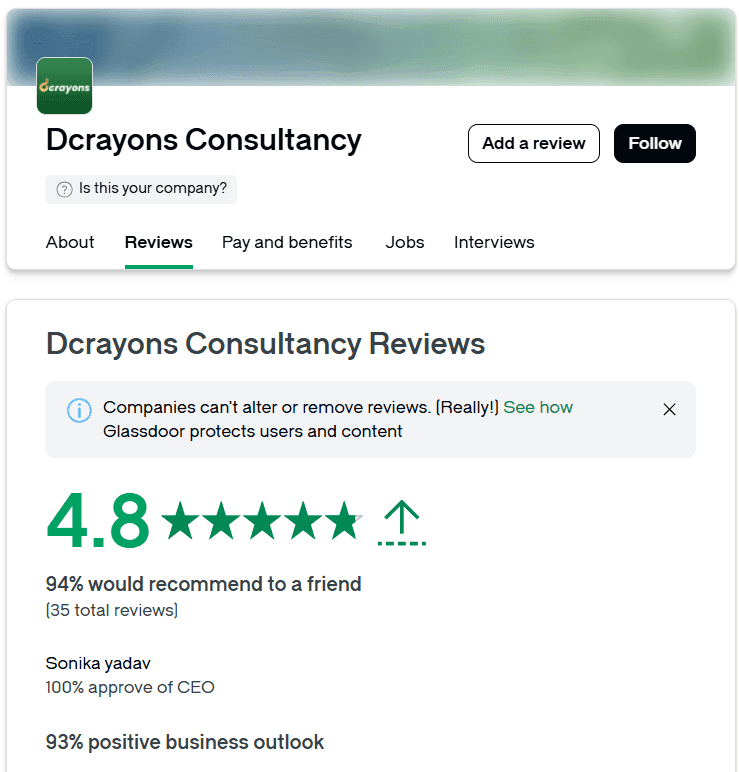
Two sites hold what our clients wrote. GoodFirms showed a 4.9 average from 12 reviews in October 2026, and since we pay that site for a PRO plan, weigh the listing with that in mind. Clutch showed 4.9 from 7 reviews that month. For app work in particular, read the Jikra and Sygnioin reviews, which each pair a website with a Flutter app.
Questions buyers ask
Is the lowest hourly rate the cheapest way to build an app?
Not always. The final bill is rate multiplied by hours, plus rework when a requirement was missed. A clear scope at a fair rate often costs less than a vague one at a low rate.
Can I launch on Android first to keep costs down?
Yes. One store means one round of store work and one device range to test. The Natually app, for example, is live on Google Play for Android.
How do I spot an Indian agency that is good value for an MVP?
Look for a published starting price, reviews that mention value on a project of MVP size, and a team willing to cut features from your first release. Then check that the low price still covers testing and store submission.
What will I pay for after launch?
Hosting, store developer accounts, usage fees for outside services, and upkeep hours for OS changes and fixes. Ask each vendor to list these beside the build quote.
Related Articles
More insights from the Dcrayon desk.

From Scrolling to Shopping How Meta Muse Is Changing E-Commerce
What if your next shopping assistant wasn’t a person, but an AI agent? Meta is exploring exactly that possibility with Muse, its AI-powered assistant designed to help users discover products, compare deals, and make purchasing decisions.
Read More about From Scrolling to Shopping How Meta Muse Is Changing E-Commerce

Tesla’s Flying Roadster Stunt How Bold Brand Stunts and Marketing Capture Attention in the Age of Social Media
Explore how Tesla’s Flying Roadster stunt highlights viral marketing, bold brand positioning, creative campaigns, and social media engagement.
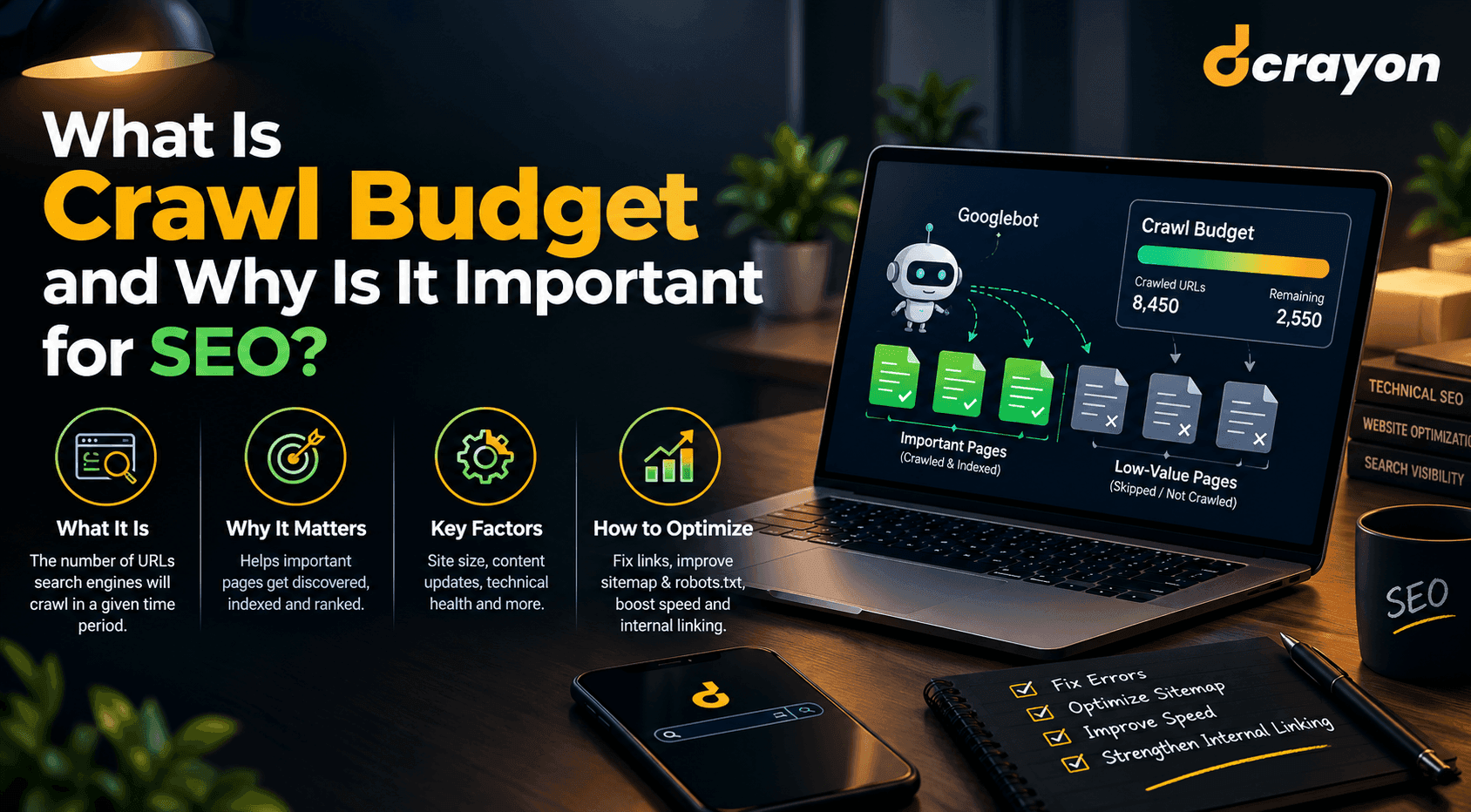
What Is Crawl Budget and Why Is It Important for SEO?
When reviewing your website for technical SEO in tandem with professional web development, you can detect unnecessary redirects, broken links, duplicate URL patterns, and other problems that hinder website crawling.
Read More about What Is Crawl Budget and Why Is It Important for SEO?
Want to grow your digital presence?
Let's discuss how we can help your business.