 All Case Studies






Meta’s latest Q3 2026 earnings update highlights growing interest in Muse and its potential to reshape the online shopping experience. Since launching in the United States and Canada, the AI assistant has reportedly surpassed 10 million downloads, signalling strong initial consumer interest.
According to Meta CEO Mark Zuckerberg, approximately 25% of users who have configured Muse use it on a typical day. The company has also reported encouraging early engagement and app-store performance.
However, attracting new users is only one part of the challenge. Third-party data suggests that user activity can decline considerably within the first two weeks after downloading the app. This raises an important question: Can Meta turn initial curiosity about AI into consistent, long-term usage?
Shopping Is Muse’s Biggest Opportunity
One of the most interesting takeaways from Meta’s earnings call is the role shopping plays in Muse's usage.
According to Zuckerberg, more than 25% of Muse users ask the AI assistant for help finding better deals and making purchases. The average purchase value facilitated through the platform reportedly exceeds $200.
These figures suggest that consumers are beginning to explore AI beyond answering questions and generating content. They are also using it to make practical purchasing decisions.
Imagine asking an AI assistant to compare products, identify attractive offers, recommend suitable options, and help you complete a purchase—all within a single conversation.
For consumers, this could mean less time spent searching multiple websites. For businesses, it could create another channel for reaching customers who are already expressing purchase intent.
Why This Matters for E-Commerce Brands
Meta’s shopping-focused AI strategy could introduce new opportunities for online retailers and digital marketers.
Here’s what businesses should watch:
1. AI-Powered Product Discovery
Customers may increasingly rely on AI recommendations rather than traditional searches to discover products. Brands will need clear product information, relevant descriptions, and accurate pricing to improve their chances of being recommended.
2. A More Personalised Shopping Experience
AI assistants can help shoppers narrow down their options based on their needs, preferences, and budgets. Businesses that communicate their product benefits clearly could be better positioned to meet these requirements.
3. A New Path to Conversions
If customers can move from product discovery to purchasing through an AI assistant, the traditional customer journey could become shorter. This may create new opportunities to reduce friction and improve conversion rates.
4. New Opportunities for Social Commerce
Meta already operates major social platforms where people discover products and interact with brands. Connecting AI-assisted recommendations with shopping could further blur the boundaries between social media, product discovery, and online transactions.
The Biggest Challenge: Trust and User Retention
Despite its promising start, Muse faces important challenges.
First, maintaining user engagement will be critical. Download numbers can demonstrate initial interest, but sustained usage will determine whether the platform becomes part of consumers’ everyday routines.
Second, privacy and security remain significant concerns. Recent reporting has raised questions about the exposure of sensitive information shared in Muse conversations. Meta has discussed developing a feature called Muse Confidential VM to address privacy concerns.
For an AI shopping assistant, trust is particularly important. Users may share purchasing preferences, personal information, and payment-related details while interacting with the platform. Businesses and consumers will need confidence that this information is handled securely.
Meta also faces substantial AI infrastructure costs, making the development of sustainable revenue streams increasingly important.
What Comes Next for Meta Muse?
Meta is also exploring the possibility of a larger network in which AI agents communicate with one another to exchange information and improve how tasks are completed.
If this vision develops successfully, AI could play a more active role in product discovery, shopping assistance, and digital transactions.
However, its long-term success will depend on more than technological innovation. Consistent engagement, reliable recommendations, secure data handling, and a smooth purchasing experience will all matter.
The Marketing Takeaway
E-commerce may be entering a new phase where brands need to optimise not just for human shoppers, but also for AI-assisted discovery.
As AI agents become more involved in purchasing decisions, businesses should pay closer attention to product data quality, customer trust, brand visibility, and conversion experiences.
Meta Muse is still developing, and its long-term impact remains uncertain. But one thing is becoming increasingly clear: AI is evolving from a tool that helps people find information into a potential gateway for discovering and buying products.
Related Articles
More insights from the Dcrayon desk.

Tesla’s Flying Roadster Stunt How Bold Brand Stunts and Marketing Capture Attention in the Age of Social Media
Explore how Tesla’s Flying Roadster stunt highlights viral marketing, bold brand positioning, creative campaigns, and social media engagement.
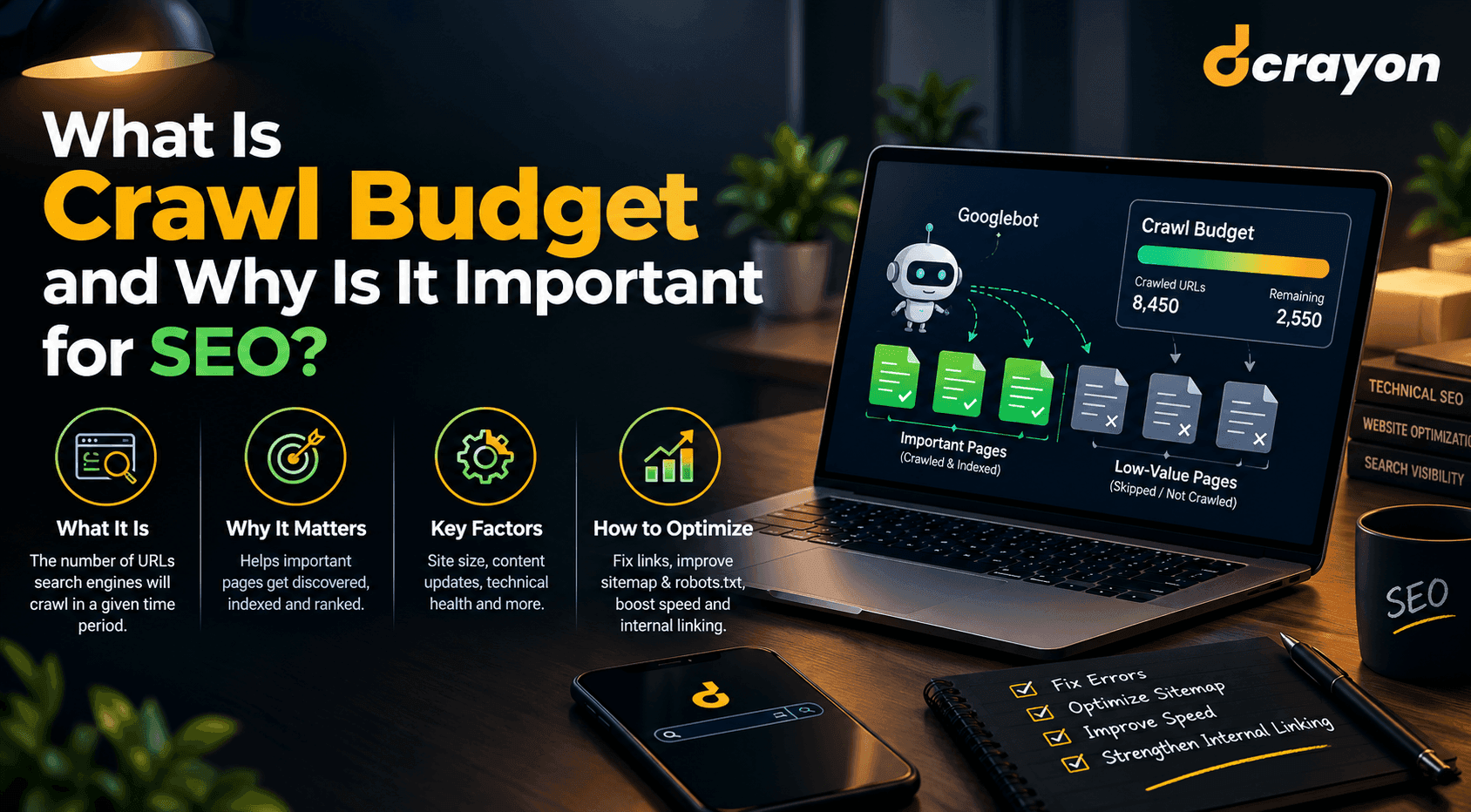
What Is Crawl Budget and Why Is It Important for SEO?
When reviewing your website for technical SEO in tandem with professional web development, you can detect unnecessary redirects, broken links, duplicate URL patterns, and other problems that hinder website crawling.
Read More about What Is Crawl Budget and Why Is It Important for SEO?
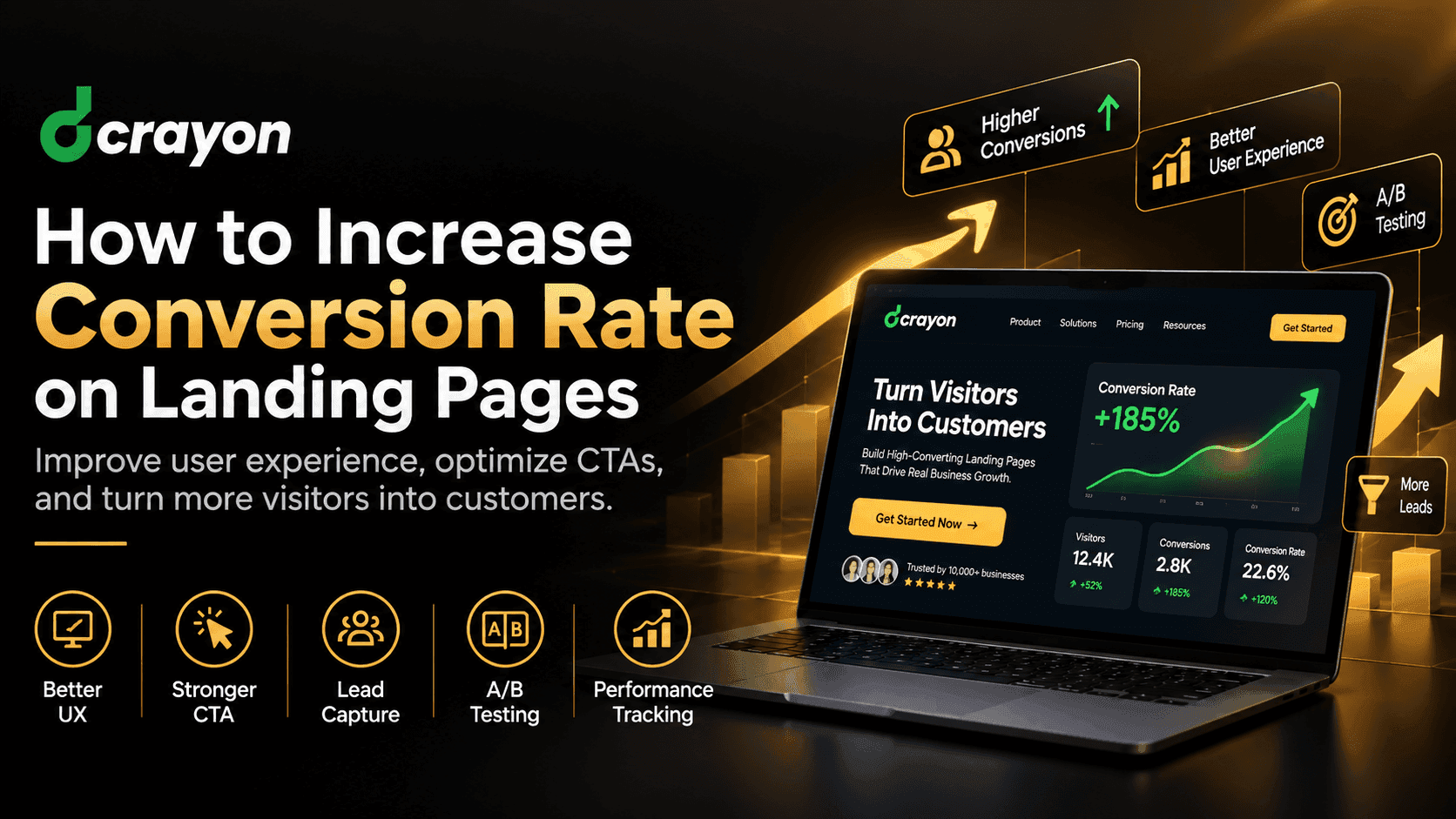
How to Increase Conversion Rate on Landing Pages
As a trusted digital marketing agency in NSP, we assist businesses to develop their landing pages and transform their website visitors into profitable leads using effective conversion optimization techniques.
Read More about How to Increase Conversion Rate on Landing Pages
Want to grow your digital presence?
Let's discuss how we can help your business.