 All Case Studies



How to Write a Mobile App Brief Before Asking for Proposals
October 26, 2026 | 7 min read

Founder and CEO at Dcrayon
Research app companies in two passes. First, narrow the field in the framework categories on GoodFirms and Clutch, such as React Native, Flutter and cross-platform, using their filters. Then test each firm's portfolio yourself. Only after that, send two or three firms one written brief covering users, core flows, platforms, data, integrations, design status and upkeep.
We sit on both sides of this process. We take React Native and Flutter work ourselves, as our React Native development page shows, and we receive briefs like the one described here. We also pay GoodFirms for a PRO listing, which you should know whenever we point you to that site.
Which directory pages should I research before requesting app proposals?
Begin in the framework categories of the two big B2B directories, then step outside them to check the work.
GoodFirms keeps separate lists of React Native companies and Flutter companies inside its mobile app directory. Clutch has pages for React Native developers, Flutter developers and cross-platform app developers. On both, each firm's card shows an hourly rate band, team size and location. Clutch also shows a minimum project size and how each firm's work splits across services.
How each site checks its reviews is covered in our earlier piece on verified reviews of app and software firms, so we will not repeat it here.
Which directories help you hire app developers with confidence?
The ones that check the business as well as the reviews, and that show how recent the app feedback is.
Clutch's category pages explain that a "Verified" provider has passed a credit check and had its business entity details confirmed. That badge describes the company, not any single review. Clutch cards also say how many reviews mention mobile app development and how many of those arrived in the past six months. That second figure tells you whether the app praise describes the team working there now.
Treat the directories as the start of the search. The proof comes from the apps, the people and the references you check next.
How do I find a React Native company with high client satisfaction on GoodFirms?
Open the React Native list, narrow it with filters, then read only the reviews that describe React Native work.
- Set location and hourly rate filters to match your budget and the working hours you need.
- On each profile, find the reviews that name React Native or describe an app. A high score built on SEO or website reviews says little about app delivery.
- Write down the number of app reviews and the date of the newest one.
- Find a React Native app in the portfolio that you can install today.
- Ask whether the people named in those reviews still work at the firm.
To be plain about our own profile: our two app reviews on GoodFirms, from Jikra and Sygnioin, cover Flutter builds, not React Native. For cross-platform work in general, the GoodFirms Flutter list and the Clutch cross-platform page are the closest matches.
How do I check a portfolio before shortlisting?
Install the apps and use them as a customer would. A few minutes on a phone tells you things a portfolio page cannot.
- Read the developer name on the store listing, and ask who published the app: the agency or the client.
- Check the date of the last update, since a recently updated app is still being looked after.
- Run the main journey: sign up, search, then pay or book.
- Look for a privacy policy link and a way to delete your account inside the app.
- Ask which parts the agency built: the app, the backend, the design or all three.
You can run this test on our work. The Natually shopping app is live on Google Play, its listing was last updated on 8 October 2026, and our US company appears under "About the developer" because we publish it for the client.
What should a mobile app brief include?
Enough for a team that has never met you to price it without a call.
- Goal: the business result you want, and the one number that will show it worked.
- Users and roles: customers, staff and admins, and what each may see or do.
- Core journeys: each one written as a short story from first tap to finish.
- Platforms: Android, iOS or both, phone or tablet, and the oldest OS versions you must support.
- Features: a must-have list and a separate later list.
- Integrations: each outside service by name, and whether you already hold an account with it.
- Data: what personal data the app collects, where your users live and which laws you think apply.
- Design status: a brand guide, wireframes, a finished design or nothing yet.
- Admin: who changes products, prices or content, and from where.
- Ownership: a line stating that store accounts, the repository and signing keys stay in your name.
- Accessibility: a target such as WCAG 2.2 level AA.
- After launch: the support, upkeep and hosting you expect.
- Budget range and launch window: a range lets each firm suggest a scope that fits.
Say what might come next as well. Jikra's review on our GoodFirms profile describes a website and Flutter app first, with the brand's Amazon store and social media handed to the same team later, across eight months. A brief that names likely next steps lets a firm plan the backend for them.
How do I make a brief that agencies can price?
Swap adjectives for counts, names and examples. "A simple app" means something different to every reader, while "three roles, two languages, Razorpay checkout" means one thing.
- Count things: roles, journeys, languages and the number of users you expect at launch.
- Name services: the payment gateway, courier, SMS provider or CRM, not just "integrations".
- Show examples: two apps you like, and the exact screen or feature you like in each.
- Turn unknowns into questions: ask the vendor to recommend, so each firm prices an answer instead of a guess.
- List your data plainly: Google Play asks every app to declare what it collects and shares in its Data safety section, and your data list gives the vendor what it needs to fill that in.
- Share answers with everyone: when one firm asks a question, send your reply to all of them.
If the app must talk to systems you already run, describe them, because that work often decides the total. Our API development and database design pages show what vendors need to know about existing systems, and cloud solutions covers hosting choices.
What should vendors send back?
A proposal in a fixed shape, so the replies line up.
- The names and roles of the people who will design, build and test, and who joins your calls.
- The framework they recommend and their reason for it.
- How the app will connect to the backend, new or existing.
- A test plan naming devices and OS versions.
- Two client references, each with an app you can install.
Line-item hours, exclusions and upkeep terms belong in the quote too, and what sets app cost in India explains how to compare those totals. If your shortlist spans countries, India vs Eastern Europe for app outsourcing covers contract and data terms. Picking a framework first? Read Flutter vs React Native for startups.
Check our reviews
Put us through the same checks. In October 2026 our GoodFirms listing held 4.9 from 12 reviews, with a PRO plan we pay for, and our Clutch listing held 4.9 from 7 reviews.
Questions buyers ask
How long should a mobile app brief be?
Long enough to cover the list above, and short enough that a vendor reads it all. Most briefs fit on a few pages, with wireframes or screenshots attached.
Should I share my budget in the brief?
Yes, as a range. Without one, firms guess at scope and their proposals become hard to compare.
Do I need an NDA before sending the brief?
Send a short summary first. Ask for a non-disclosure agreement before you share detailed designs, business data or anything you would not want copied.
Related Articles
More insights from the Dcrayon desk.
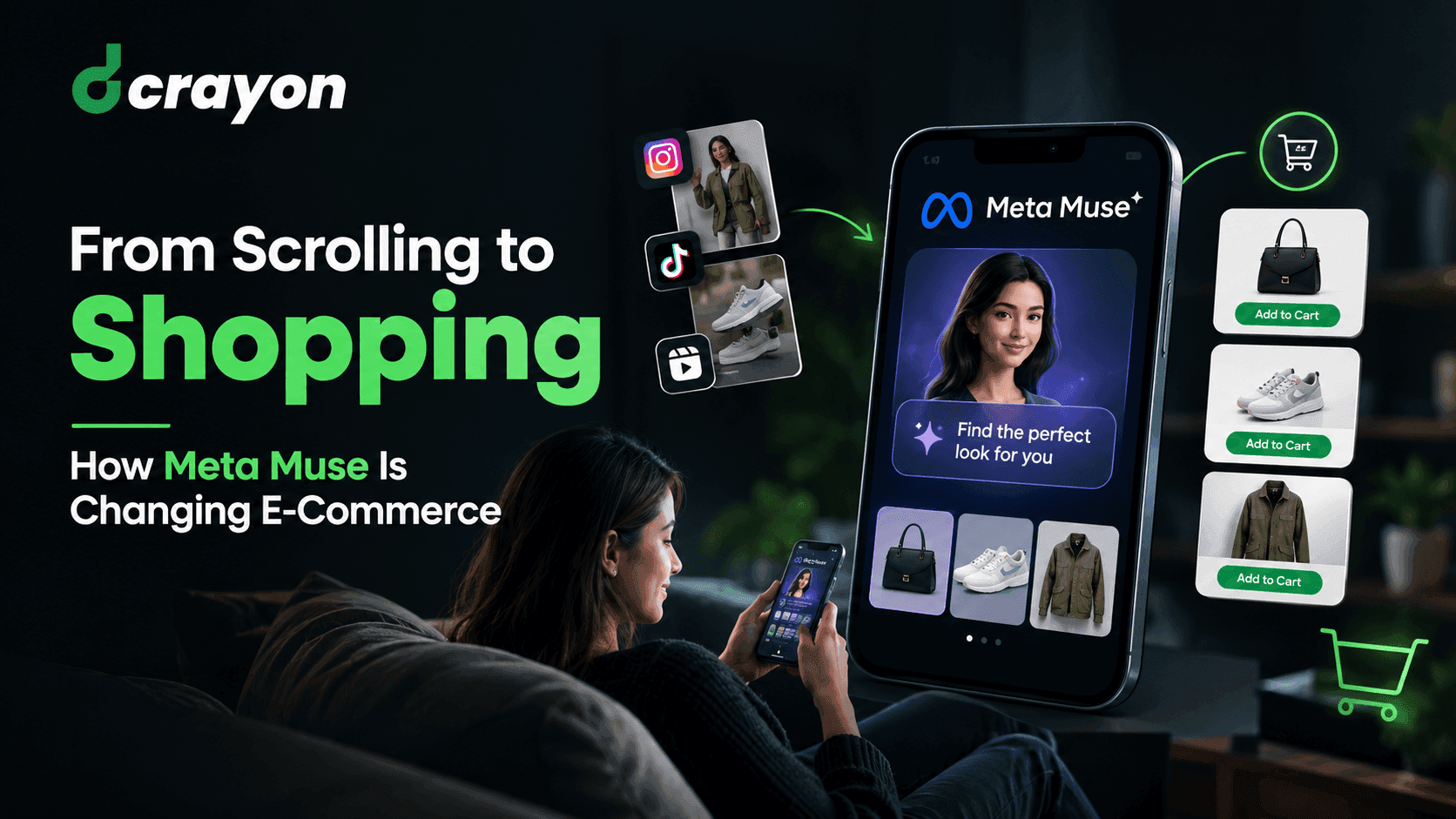
From Scrolling to Shopping How Meta Muse Is Changing E-Commerce
What if your next shopping assistant wasn’t a person, but an AI agent? Meta is exploring exactly that possibility with Muse, its AI-powered assistant designed to help users discover products, compare deals, and make purchasing decisions.
Read More about From Scrolling to Shopping How Meta Muse Is Changing E-Commerce

Tesla’s Flying Roadster Stunt How Bold Brand Stunts and Marketing Capture Attention in the Age of Social Media
Explore how Tesla’s Flying Roadster stunt highlights viral marketing, bold brand positioning, creative campaigns, and social media engagement.
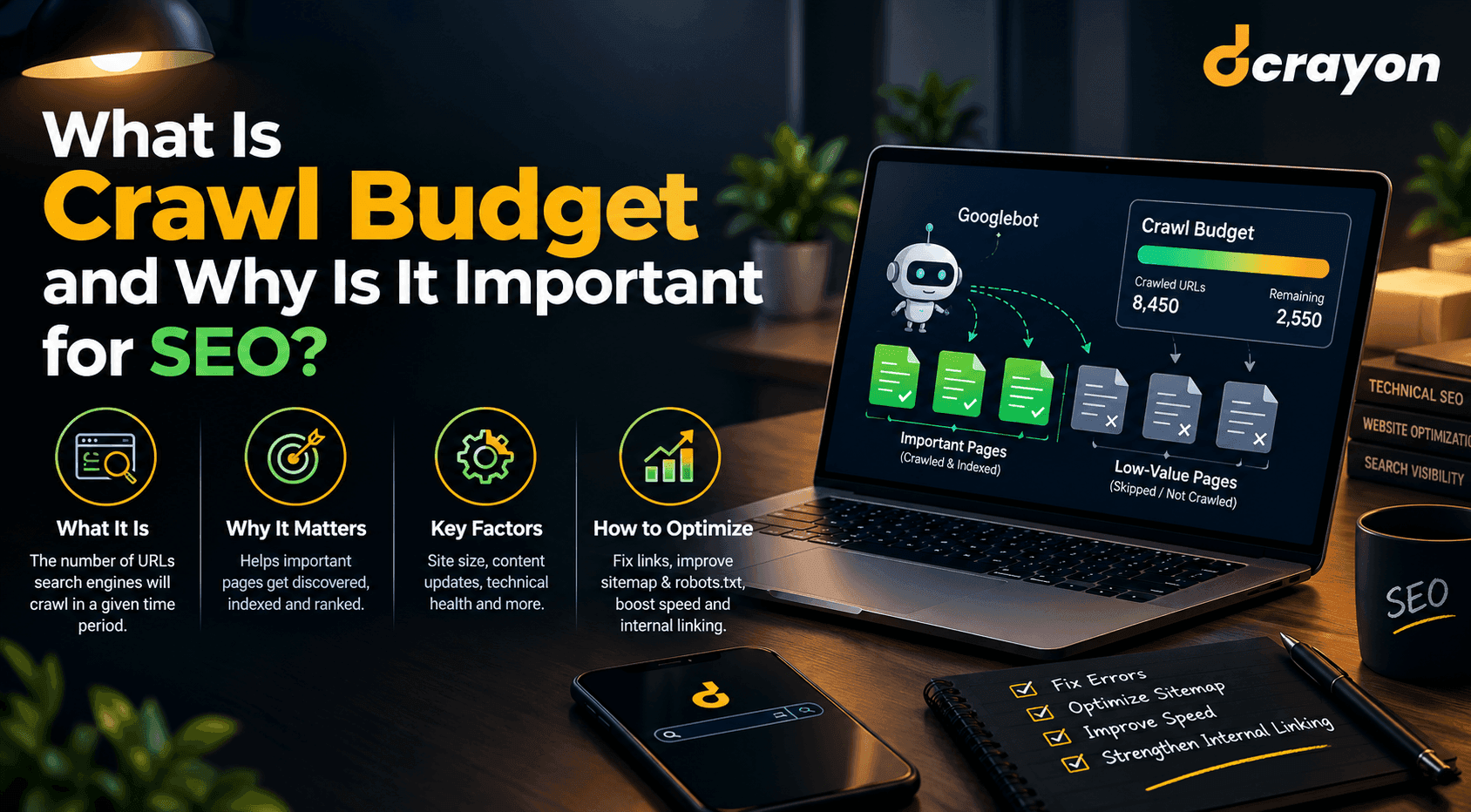
What Is Crawl Budget and Why Is It Important for SEO?
When reviewing your website for technical SEO in tandem with professional web development, you can detect unnecessary redirects, broken links, duplicate URL patterns, and other problems that hinder website crawling.
Read More about What Is Crawl Budget and Why Is It Important for SEO?
Want to grow your digital presence?
Let's discuss how we can help your business.