 All Case Studies






ABM that works in 2026: a tight playbook for Series B SaaS teams
February 21, 2026 | 4 min read

Neetu Pal

Account-based marketing for Series B SaaS teams in 2026 looks nothing like the 2022 playbook. AI-cleared signals replace gut-feel target lists, sales + marketing work off a single account score, and the budget allocation is decided by predicted pipeline. not industry vertical. Here is the tight playbook Dcrayon runs for Series B SaaS clients with 30 to 80 named accounts in scope.
The 2026 ABM thesis
ABM works when three things are true:
- Average contract value (ACV) is high enough to justify per-account spend (typically Rs 8 lakhs ACV minimum, or USD 12,000).
- The buying committee has 4 plus stakeholders.
- The sales cycle is 60 plus days.
If any of the three fails, ABM is the wrong motion. Pivot to PLG + content.
Step 1: the account selection model
Old ABM started with a sales-supplied list. New ABM starts with a predictive model trained on your closed-won deals:
- Inputs: firmographics (size, geography, vertical), technographics (current stack), intent signals (G2 page visits, Bombora-style topic surge, your own website behaviour).
- Output: a 0-100 score per account in your TAM.
- Cut: the top 30 to 80 accounts become Tier 1. The next 200 to 400 become Tier 2. The rest stay in inbound.
Step 2: the buying-committee map
For each Tier 1 account, map the buying committee:
- Decision maker (usually the budget owner. VP, C-suite).
- Economic buyer (often Finance or COO).
- Champion (the manager who will defend the deal internally).
- End users (3 to 8 individual contributors).
- Blockers (Procurement, Legal, IT Security).
Each role gets different content + outreach.
Step 3: the play library
Each Tier 1 account runs through a 60-day play sequence. The plays:
- Day 1 to 7: Programmatic display on the buying committee (LinkedIn matched audiences + targeted display). Goal: ad recall +12 to +18 points.
- Day 8 to 14: Personalised content delivery. one industry-specific report + one customer story from a comparable account.
- Day 15 to 30: Sales engagement. 6 to 9 touches per stakeholder (LinkedIn, email, optional phone).
- Day 31 to 45: Executive briefing offer (free 30-min session with your CTO/CRO on the prospect's specific use case).
- Day 46 to 60: Closed-loop measurement. meetings booked, opportunity created, conversion to pipeline.
Step 4: the content matrix
You need a content matrix sized for the committee:
- One pillar piece per vertical (the "state of X in 2026" report).
- One ROI calculator (tied to your pricing + their TAM math).
- 3 to 5 customer stories per vertical, matched to ACV tier.
- One executive-grade landing page per Tier 1 account (yes, per account. generated from a template + 4 to 6 dynamic fields).
Step 5: the measurement architecture
ABM dies without measurement. The CFO-readable metrics:
- Account engagement score (movement from baseline, by stakeholder).
- Meetings booked per account.
- Pipeline created per account (qualified opportunity).
- Closed-won per cohort (the 30/80/etc cohort over 6 months).
- Pipeline velocity (days from first touch to closed-won).
If your CRM and marketing automation cannot stitch these by account, fix that first. it gates everything else.
The economics that have to work
Typical Series B SaaS ABM economics:
- Per-account program cost: Rs 35,000 to Rs 80,000 over 60 days (display + content + sales engagement).
- Target meeting conversion: 18 to 28 percent of Tier 1 accounts book a meeting in 60 days.
- Target pipeline conversion: 35 to 50 percent of meetings turn into qualified pipeline.
- Target close rate: 18 to 25 percent of pipeline closes in 6 to 9 months.
Doing the math: 60 Tier-1 accounts at 22 percent meeting-conversion + 42 percent pipeline-conversion + 22 percent close-rate at Rs 18 lakhs ACV = Rs 1.10 crore in revenue from Rs 36 lakhs of program spend. Payback inside 12 months.
Step 6: the sales + marketing operating cadence
ABM without sales alignment is just expensive marketing. The cadence that works:
- Weekly Tier-1 account review (sales + marketing together, 30 min).
- Monthly pipeline + meetings readout.
- Quarterly cohort + program ROI review (with the CRO and CMO).
The 3 most common Series B ABM failures
- Account list is too long. Series B teams often try 200 plus Tier-1 accounts. nothing gets personalisation. 30 to 80 is the right scope.
- Content matrix incomplete. Teams ship 2 pieces and expect 10-touch ABM to work. Build the matrix in week 1.
- Sales not aligned on the play sequence. Marketing runs days 1 to 14; sales takes day 15. If sales does not touch on day 15 the program collapses.
How Dcrayon stands up the program
Typical Dcrayon Series B ABM engagement: 12 weeks to first measurable pipeline, Rs 9 to 15 lakhs per month, mutual kill-switch at day-90. Account selection + buying-committee map + play library + measurement architecture all ship in the first 30 days.
Related Articles
More insights from the Dcrayon desk.

Tesla’s Flying Roadster Stunt How Bold Brand Stunts and Marketing Capture Attention in the Age of Social Media
Meta description: Explore how Tesla’s Flying Roadster stunt highlights viral marketing, bold brand positioning, creative campaigns, and social media engagement.
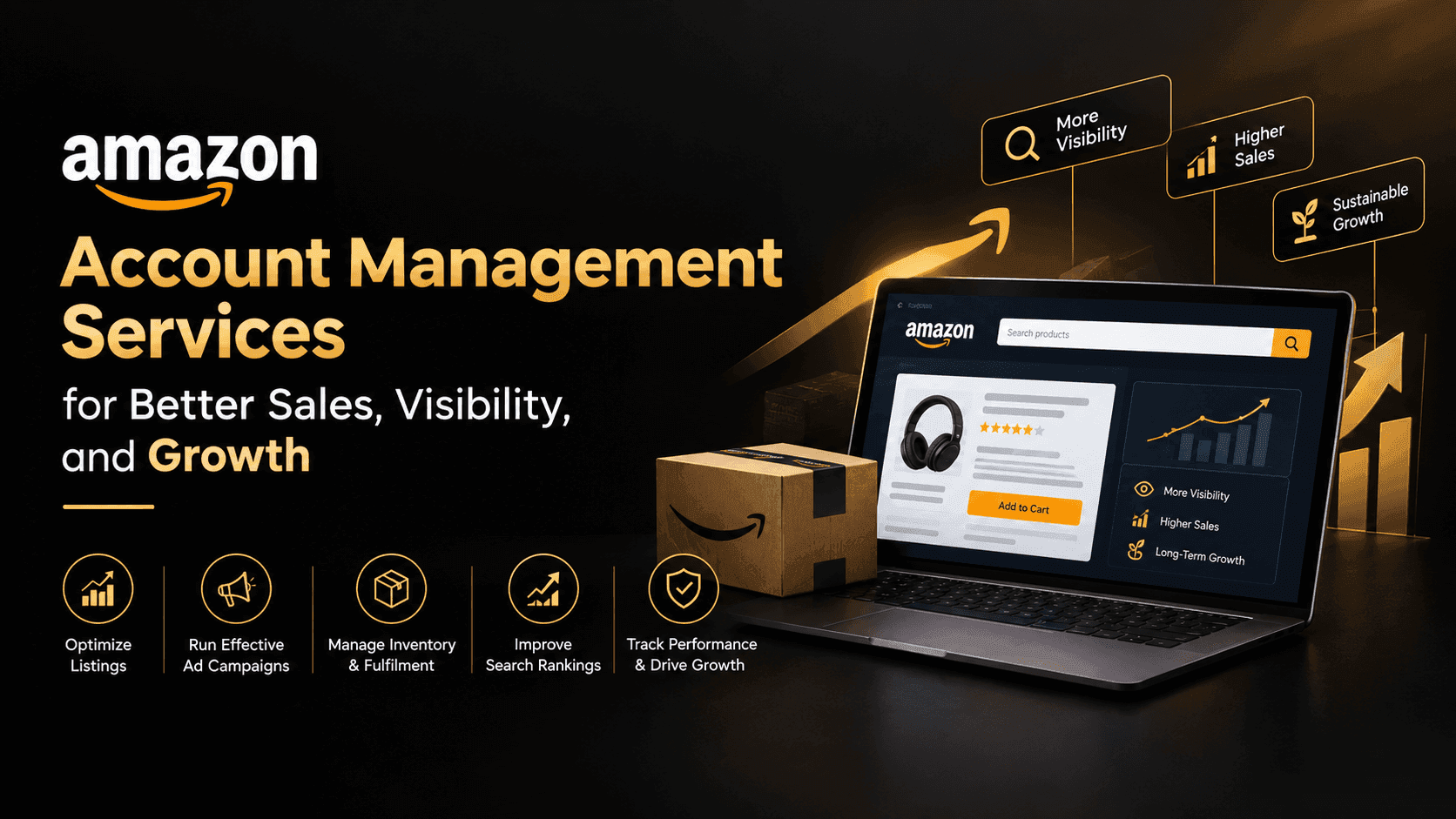
Amazon Account Management Services for Better Sales, Visibility, and Growth
Amazon is an extremely competitive site, and there could be thousands of sellers selling items that are the same. Listings, inventory, pricing, and account performance can have minor issues which can impact the overall shopping experience and sales opportunities.
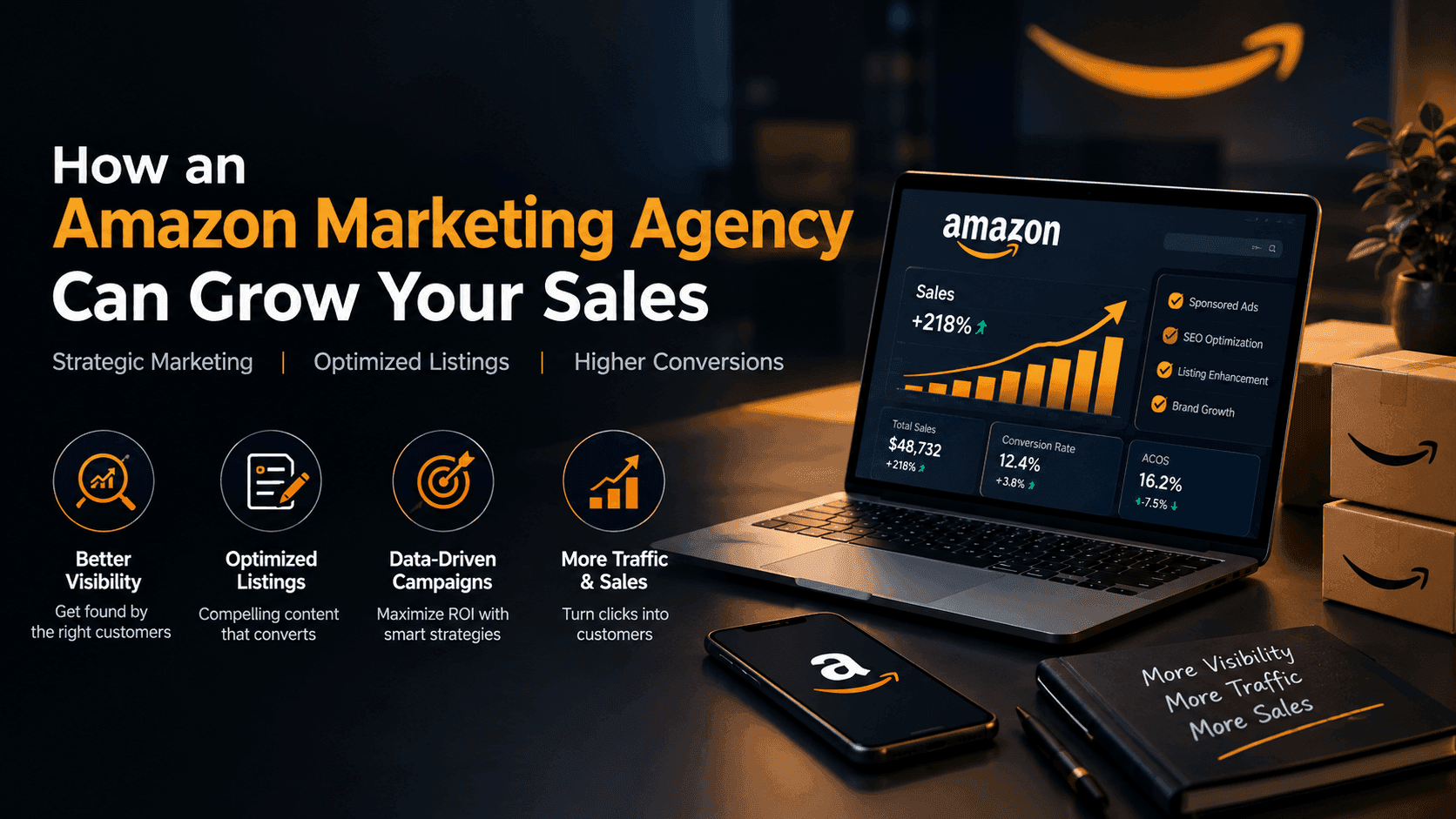
How an Amazon Marketing Agency Can Grow Your Sales
How an Amazon marketing agency helps brands grow sales with advertising, listing optimisation and account management, and what to look for in one.
Want to grow your digital presence?
Let's discuss how we can help your business.