 All Case Studies







Luxury Brand Website Redesign Without Losing Traffic
October 20, 2026 | 8 min read

Rahul Yadav
Founder and CEO at Dcrayon

To redesign a premium or luxury brand website without losing search traffic or sales, protect what already works before you change the look. List every URL and the pages that earn revenue, map each old address to a new one with permanent redirects, keep content that ranks, then lift photography, type and checkout trust without slowing the pages.
Judge any agency on live sites and results after launch, not on mockups. This guide covers both, in the order our website redesign team works: inventory, redirects, imagery, type, speed, checkout and launch.
Which agencies have the best portfolio for high-end luxury website redesigns?
The best portfolio for a luxury redesign shows live sites that are still fast, still ranking and still selling well after launch. Beautiful mockups prove taste. They do not prove a safe migration.
When you review an agency's portfolio, check:
- Live addresses, opened on your phone. Premium sites often look best on a designer's monitor and worst on a mid-range phone.
- Product and checkout pages, not only the homepage. That is where a premium buyer decides.
- Evidence of a migration. Ask which rebuilds kept their old URLs working, and how the agency checked.
- Client words about sales, not only looks. The CEO of Nirwana Jewellers wrote on Clutch: "Since [Dcrayon] took over our digital marketing, we consistently achieved our sales targets, especially during festive sales." That is the kind of line to look for.
- Image weight. Run a portfolio page through a speed test. Heavy imagery is a common weakness on premium builds.
Then ask one direct question: what happened to organic traffic in the months after launch? A firm that has done this well will know.
Start with a content and URL inventory
Before any design work, list every page the current site has and what each one earns. This list decides what you keep.
Build it from three sources: a crawl of the live site, the pages report in Google Search Console, and your analytics sorted by revenue or enquiries. For each URL, record:
- Traffic and conversions over the last twelve months.
- Backlinks pointing to it.
- Search terms it ranks for that you want to keep.
- Its title, meta description and structured data.
- A decision: keep, merge, rewrite or retire.
Premium brands often carry years of collection, press and campaign pages that quietly bring in links and searches. The inventory stops a redesign from deleting them by accident.
How do you keep search traffic during a redesign?
Map every old URL to its closest new URL with a permanent 301 redirect, switch the redirects on with the new design, and watch Search Console closely in the weeks after. Google's guide to moving a site with URL changes sets out the same steps: prepare a URL mapping, redirect old addresses to new ones, and monitor traffic on both.
The same guide says permanent redirects do not cause a loss in PageRank, and that a medium-sized site can take a few weeks or more before Google shows the new URLs in place of the old ones. It also advises changing one big thing at a time: move the domain first, then change the layout. Google's redirects documentation explains which redirect types to use and when.
Practical rules from our own platform moves:
- Redirect one to one wherever a matching page exists. Never send everything to the homepage.
- Return a 410 for products or pages that are truly gone, so search engines drop them on purpose.
- Keep the titles and descriptions of pages that already rank unless you have a reason to change them.
- Remove any staging block, such as a robots.txt rule or noindex tag, on launch day.
Natually's skincare store left Shopify with roughly 170 products, and the plan gave every old product address one of three outcomes: keep it, redirect it to a current product, or retire it with a 410. A later check of a sample of old Shopify links on the new store found none ending in a 404 error. The Natually migration case study shows how the redirect rules were set.
Photography and video that carry the price
On a premium site, the photography stands in for the product until it arrives. Plan the shoot around the questions a buyer asks: what it looks like up close, how big it is, how it feels and how it comes packed.
- Shoot detail, scale and in-use images for every hero product, with consistent light and background.
- Add short video where touch matters. London Prime makes makeup brushes, which buyers choose on feel, so the Shopify store we built carries a shoppable video strip showing brushes in use. See the London Prime case study.
- Write alt text that describes the product, as Google's image SEO guidance recommends.
- Compress and resize every image before launch. When Keratine Professional moved off Shopify, its first new home page carried about 19 MB of PNG artwork. Converting it to WebP and resizing it kept the look and made the first visit far lighter.
If the old imagery no longer fits the brand, our photography services team can plan the shoot alongside the redesign.
Typography and layout that stay fast
Premium typography usually means a licensed typeface, generous spacing and fewer elements on each screen. All of it can be done without slowing the site.
- Limit the site to one or two font families and only the weights you use.
- Host the fonts yourself, preload the main one, and show a fallback while it loads so text never sits invisible.
- Check type on a small phone. A thin display face that looks elegant on a large screen can be hard to read at small sizes.
- Use white space in place of extra sections. Fewer blocks per page means fewer images and scripts to load.
On the London Prime store, colours, typography and badge styles are theme settings the brand team changes itself, without new code.
Page speed on an image-heavy site
The largest image on the page decides how fast a premium site feels. Google's Core Web Vitals use the time to show that element, Largest Contentful Paint, as the main loading measure.
Give the hero image priority, serve it at the right size for each screen, and avoid autoplay video at the top of mobile pages. Test product pages as well as the homepage, because galleries are usually heavier. Our longer read on technical SEO architecture for D2C brands covers the thresholds and fixes in detail.
Checkout trust for high-ticket orders
A buyer spending more needs more reassurance at the moment of payment. Show the full cost, the delivery terms and the returns policy before checkout, not after.
Baymard Institute's cart abandonment research, based on a survey of US online shoppers, lists why people abandon a cart once those who were just browsing are set aside: 40% cited extra costs that were too high, 19% did not trust the site with their card details, and 13% found the returns policy unsatisfactory. Each of these can be addressed in design and content:
- Show taxes, shipping and duties early, on the product page or in the cart.
- Put returns, exchanges, certificates and warranty details beside the add-to-cart button.
- Offer the payment methods your buyers expect in each market.
- Keep checkout short and allow guest checkout.
- Show a phone number or WhatsApp contact for buyers who want to ask before paying.
On the Loire skincare store, offers such as a free gift, a coupon and a prepaid discount appear as separate lines in the cart drawer, so a shopper sees the saving before checkout. On Shopify builds like this, we work as a Shopify Partner, a status we have held since December 2020.
Launch and the first weeks after
Launch from a staging copy you have already crawled, with every redirect tested. Keep unfinished pages behind a password until they are ready, as with London Prime's second store for the UAE, which stayed behind Shopify's storefront password during preparation.
After launch:
- Check Search Console every day for crawl errors and unexpected 404s.
- Compare traffic and revenue by page against your inventory.
- Fix any redirect that lands on the wrong page.
- Submit the new sitemap so Google finds the moved pages sooner.
Check our reviews
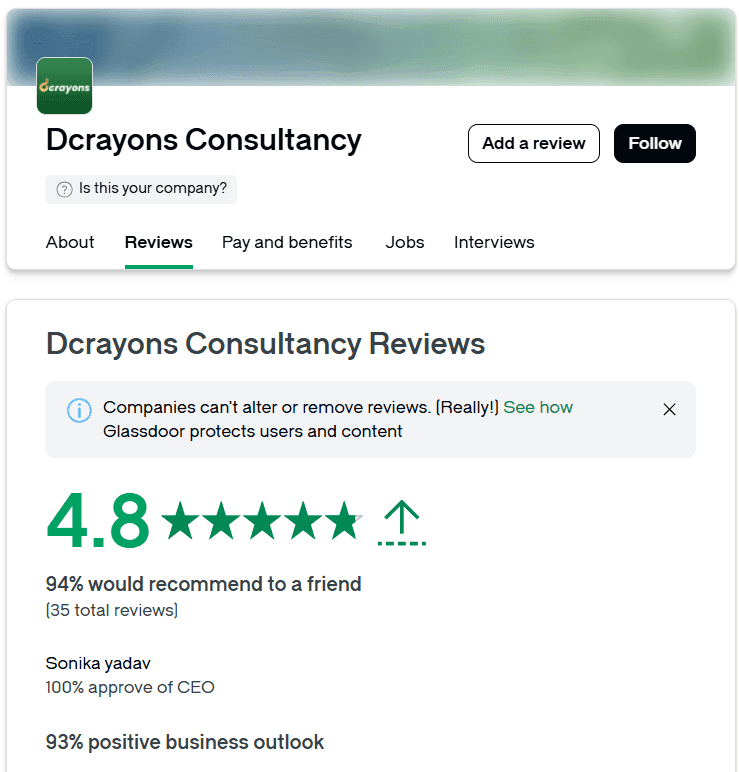
You can read the Nirwana Jewellers review in full on Clutch. As of October 2026, that profile lists seven reviews and GoodFirms lists eight verified ones, each averaging 4.9 for Dcrayon. Before you shortlist anyone, read how to choose a web development company. If your brand sells a service rather than products, see what makes a service business website convert.
Questions buyers ask
Will a redesign hurt our Google rankings?
Some movement is normal while Google recrawls, and Google's own guidance expects it. Rankings hold when every old URL redirects to the right new page and the content that ranked is kept or improved.
When is the best time to launch a redesign?
Outside your busiest selling period. Google's site move guide suggests a quieter traffic period, which for most premium brands means avoiding a festive or sale season and leaves room to fix issues before peak demand.
How do we keep the brand feel without heavy pages?
Use fewer and better images, compress them, limit fonts and let white space do the work. Premium design is about restraint, which happens to suit page speed.
What should a redesign proposal include?
A URL inventory, a redirect map, a content plan, a photography plan, a speed target and a check period after launch. Ask how the agency will report traffic and sales against the old site.
Related Articles
More insights from the Dcrayon desk.

Tesla’s Flying Roadster Stunt How Bold Brand Stunts and Marketing Capture Attention in the Age of Social Media
Meta description: Explore how Tesla’s Flying Roadster stunt highlights viral marketing, bold brand positioning, creative campaigns, and social media engagement.

High-Converting Business Websites: What Service Firms Need
What makes a service or B2B website produce enquiries: one page per service, proof beside the form, short forms that ask the right question, and fast pages.

How to Choose a Web Development Company You Can Trust
How to choose a web development company: check verified reviews, open live work, meet who writes the code, own your accounts and test fit for startups.
Want to grow your digital presence?
Let's discuss how we can help your business.