This guide is built for business owners and marketing leaders who need results, not theory. Every chapter ends with specific actions you can take this week.
What Makes This Guide Different
- Actionable: Step-by-step instructions, not vague advice
- Current: Updated for 2026 with the latest tools and tactics
Table of Contents
- 1. The first Rs 10Cr in Indian D2C: why most brands stall
- 2. Choosing the Shopify + India payments stack
- 3. Conversion-rate optimisation on the Shopify storefront
- 4. Paid acquisition: Meta, Google, and the channel mix
- 5. Email + WhatsApp retention sequences that compound
- 6. Reviews, UGC, and the early-stage credibility flywheel
- 7. Unit economics: LTV, CAC, payback, and the cohort curve
- 8. Hiring + outsourcing decisions in the Rs 1Cr to Rs 10Cr stretch
- 9. Brand-building inside a performance budget
- 10. Failure modes (and the corrections we run for clients)
- 11. About Dcrayon + Next Steps
Who This Is For
This guide works for organisations of all sizes:
Small Businesses (Under Rs 5 Cr revenue)
- Founders wearing multiple hats who need clear priorities
- Small teams that cannot afford to waste time on wrong tactics
- Bootstrapped companies that need high-ROI, low-cost strategies
Mid-Size Companies (Rs 5-50 Cr revenue)
- Growing teams building their first dedicated marketing function
- Companies scaling from founder-led sales to systematic acquisition
- Businesses ready to invest in process and measurement
Large Enterprises (Rs 50 Cr+ revenue)
- Marketing teams optimising existing programs for better ROI
- Leaders benchmarking their operations against best practices
- Organisations standardising processes across multiple teams or regions
Results You Can Expect
Clients who follow this guide typically see:
- Clear understanding of what to prioritise and what to ignore
- Measurable improvements within 4-6 weeks of implementation
- Sustainable systems that continue working over time
How to Use This Guide
Read it straight through once to understand the full picture. Then go back to the chapter most relevant to your current challenge. Each chapter works standalone, but they build on each other.
Chapter 1: The first Rs 10Cr in Indian D2C: why most brands stall
In this chapter: We break down the first rs 10cr in indian d2c: why most brands stall for businesses of all sizes. Whether you are a startup, growing company, or enterprise, you will find specific guidance for your stage.
What You Will Learn
- The core principles behind the first rs 10cr in indian d2c: why most brands stall that drive real results
- Specific playbooks for small, mid-size, and large organisations
- Budget ranges and team structures for each stage
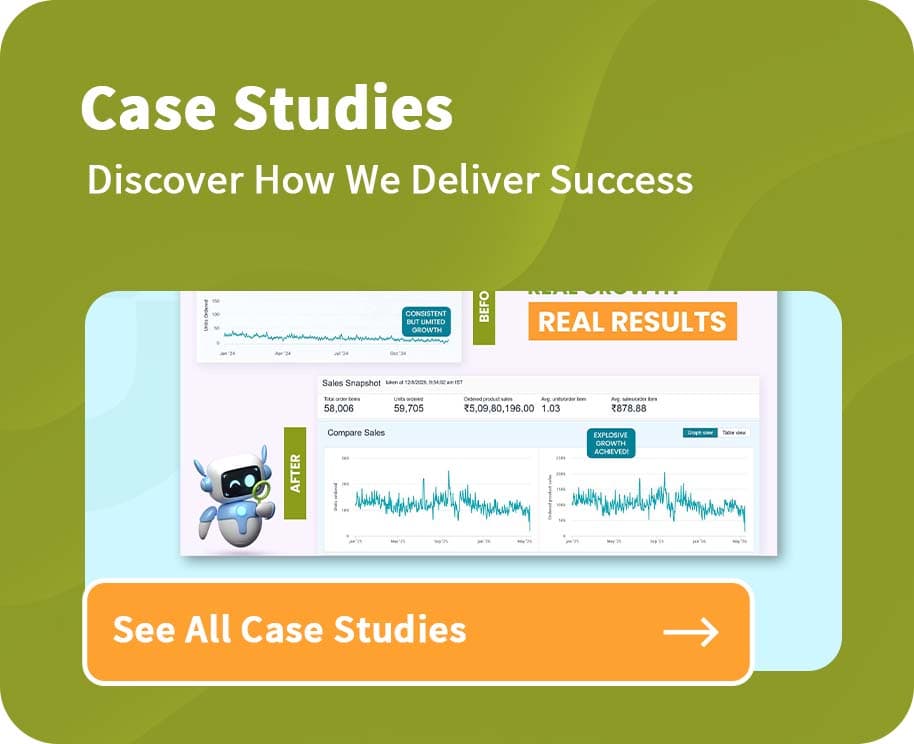
- Real numbers from D2C Brand (156% revenue growth)
- Tools and templates scaled to your resources
For Small Businesses (Under Rs 5 Cr Revenue)
If you are a small business or startup, you need to be scrappy. Limited budget, small team, wearing multiple hats. Here is how to approach the first rs 10cr in indian d2c: why most brands stall when resources are tight.
Small Business Reality
- Team size: 1-3 people handling marketing (often part-time)
- Budget: Rs 25,000 - Rs 1,00,000 per month
- Timeline: Need results in 30-60 days to justify continued investment
- Focus: One or two channels only. Do them well before expanding.
Small Business Playbook
- Week 1: Run free Dcrayon Score audit. Identify your single biggest gap.
- Week 2: Pick ONE channel to focus on. Ignore everything else for now.
- Week 3-4: Implement basics using free tools. Google Analytics, Search Console, free CRM.
- Week 5-8: Execute consistently. Post daily, respond to every lead, track everything.
- Week 9+: Review what worked. Add second channel only when first is profitable.
Small Business Tools (Mostly Free)
- Google Analytics 4 — free traffic tracking
- Google Search Console — free SEO data
- Canva free tier — basic design
- HubSpot free CRM — contact management
- Dcrayon Score — free audit at dcrayon.com
Small Business Mistakes to Avoid
- Trying to be on every platform at once
- Spending on ads before organic is working
- Hiring agency before understanding basics yourself
- Comparing yourself to funded competitors
For Mid-Size Businesses (Rs 5 Cr - Rs 50 Cr Revenue)
Mid-size businesses have proven product-market fit and need to scale. You have some budget and a small team. The challenge is building systems that grow with you.
Mid-Size Business Reality
- Team size: 3-10 people in marketing, possibly with agency support
- Budget: Rs 2,00,000 - Rs 15,00,000 per month
- Timeline: Quarterly planning with monthly check-ins
- Focus: 3-4 channels working together. Integration matters.
Mid-Size Business Playbook
- Month 1: Full audit across all channels. Identify winners and losers.
- Month 2: Build proper tracking. Attribution, UTMs, CRM integration.
- Month 3: Optimise top 2 channels. Cut or fix underperformers.
- Month 4-6: Scale what works. Test one new channel per quarter.
- Ongoing: Weekly team meetings, monthly reports, quarterly strategy reviews.
Mid-Size Business Tools (Paid Tiers)
- HubSpot or Zoho — marketing automation
- Semrush or Ahrefs — SEO and competitor research
- Mixpanel or Amplitude — product analytics
- Sprout Social or Hootsuite — social management
- Dcrayon Growth Formula — strategic framework
Mid-Size Business Mistakes to Avoid
- Hiring too many specialists before systems are in place
- Running campaigns without proper attribution
- Ignoring existing customers while chasing new ones
- Copying enterprise playbooks that need bigger budgets
For Large Enterprises (Rs 50 Cr+ Revenue)
Enterprise organisations have resources but face complexity. Multiple products, geographies, stakeholders, and legacy systems. The challenge is coordination and governance.
Enterprise Reality
- Team size: 15+ people across marketing, with multiple agencies
- Budget: Rs 25,00,000+ per month
- Timeline: Annual planning with quarterly adjustments
- Focus: Full-funnel approach across all relevant channels
Enterprise Playbook
- Q1: Audit and strategy. Full assessment of current state, competitive landscape, opportunity sizing.
- Q2: Foundation. Tech stack consolidation, data infrastructure, governance frameworks.
- Q3: Execution. Roll out campaigns across channels with proper measurement.
- Q4: Optimisation. Analyse full-year data, plan next year, test innovations.
- Ongoing: Weekly execution meetings, monthly leadership reviews, quarterly board updates.
Enterprise Tools (Enterprise Tiers)
- Salesforce Marketing Cloud or Adobe Experience Platform
- Google Marketing Platform (GA4 360, DV360, SA360)
- Sprinklr or Khoros — enterprise social
- Conductor or BrightEdge — enterprise SEO
- Dcrayon Enterprise — custom implementation support
Enterprise Mistakes to Avoid
- Too many tools that do not integrate
- Siloed teams with conflicting KPIs
- Analysis paralysis — endless planning, slow execution
- Ignoring agile competitors while moving slowly
Quick Comparison: Small vs Mid vs Large
| SMALL BUSINESS (Under Rs 5Cr) | MID-SIZE (Rs 5-50Cr) | ENTERPRISE (Rs 50Cr+) | |
|---|---|---|---|
| Team Size | 1-3 people | 3-10 people | 15+ people |
| Monthly Budget | Rs 25K-1L | Rs 2L-15L | Rs 25L+ |
| Channels | 1-2 focused | 3-4 integrated | Full funnel |
| Planning Cycle | Weekly | Monthly | Quarterly |
| Time to Results | 30-60 days | 60-90 days | 90-180 days |
| Key Challenge | Resources | Systems | Coordination |
| Dcrayon Fit | Score + DIY | Growth Formula | Enterprise |
Chapter Context
This is chapter 1 of 10. We start here because the first rs 10cr in indian d2c: why most brands stall sets the foundation.
Need Help Implementing?
Dcrayon works with businesses of all sizes. Small businesses can start with our free Score tool. Mid-size and enterprise clients get dedicated strategy support. Book a call to discuss your specific situation.
Chapter 2: Choosing the Shopify + India payments stack
In this chapter: We break down choosing the shopify + india payments stack for businesses of all sizes. Whether you are a startup, growing company, or enterprise, you will find specific guidance for your stage.
What You Will Learn
- The core principles behind choosing the shopify + india payments stack that drive real results
- Specific playbooks for small, mid-size, and large organisations
- Budget ranges and team structures for each stage
- Real numbers from D2C Brand (156% revenue growth)
- Tools and templates scaled to your resources
For Small Businesses (Under Rs 5 Cr Revenue)
If you are a small business or startup, you need to be scrappy. Limited budget, small team, wearing multiple hats. Here is how to approach choosing the shopify + india payments stack when resources are tight.
Small Business Reality
- Team size: 1-3 people handling marketing (often part-time)
- Budget: Rs 25,000 - Rs 1,00,000 per month
- Timeline: Need results in 30-60 days to justify continued investment
- Focus: One or two channels only. Do them well before expanding.
Small Business Playbook
- Week 1: Run free Dcrayon Score audit. Identify your single biggest gap.
- Week 2: Pick ONE channel to focus on. Ignore everything else for now.
- Week 3-4: Implement basics using free tools. Google Analytics, Search Console, free CRM.
- Week 5-8: Execute consistently. Post daily, respond to every lead, track everything.
- Week 9+: Review what worked. Add second channel only when first is profitable.
Small Business Tools (Mostly Free)
- Google Analytics 4 — free traffic tracking
- Google Search Console — free SEO data
- Canva free tier — basic design
- HubSpot free CRM — contact management
- Dcrayon Score — free audit at dcrayon.com
Small Business Mistakes to Avoid
- Trying to be on every platform at once
- Spending on ads before organic is working
- Hiring agency before understanding basics yourself
- Comparing yourself to funded competitors
For Mid-Size Businesses (Rs 5 Cr - Rs 50 Cr Revenue)
Mid-size businesses have proven product-market fit and need to scale. You have some budget and a small team. The challenge is building systems that grow with you.
Mid-Size Business Reality
- Team size: 3-10 people in marketing, possibly with agency support
- Budget: Rs 2,00,000 - Rs 15,00,000 per month
- Timeline: Quarterly planning with monthly check-ins
- Focus: 3-4 channels working together. Integration matters.
Mid-Size Business Playbook
- Month 1: Full audit across all channels. Identify winners and losers.
- Month 2: Build proper tracking. Attribution, UTMs, CRM integration.
- Month 3: Optimise top 2 channels. Cut or fix underperformers.
- Month 4-6: Scale what works. Test one new channel per quarter.
- Ongoing: Weekly team meetings, monthly reports, quarterly strategy reviews.
Mid-Size Business Tools (Paid Tiers)
- HubSpot or Zoho — marketing automation
- Semrush or Ahrefs — SEO and competitor research
- Mixpanel or Amplitude — product analytics
- Sprout Social or Hootsuite — social management
- Dcrayon Growth Formula — strategic framework
Mid-Size Business Mistakes to Avoid
- Hiring too many specialists before systems are in place
- Running campaigns without proper attribution
- Ignoring existing customers while chasing new ones
- Copying enterprise playbooks that need bigger budgets
For Large Enterprises (Rs 50 Cr+ Revenue)
Enterprise organisations have resources but face complexity. Multiple products, geographies, stakeholders, and legacy systems. The challenge is coordination and governance.
Enterprise Reality
- Team size: 15+ people across marketing, with multiple agencies
- Budget: Rs 25,00,000+ per month
- Timeline: Annual planning with quarterly adjustments
- Focus: Full-funnel approach across all relevant channels
Enterprise Playbook
- Q1: Audit and strategy. Full assessment of current state, competitive landscape, opportunity sizing.
- Q2: Foundation. Tech stack consolidation, data infrastructure, governance frameworks.
- Q3: Execution. Roll out campaigns across channels with proper measurement.
- Q4: Optimisation. Analyse full-year data, plan next year, test innovations.
- Ongoing: Weekly execution meetings, monthly leadership reviews, quarterly board updates.
Enterprise Tools (Enterprise Tiers)
- Salesforce Marketing Cloud or Adobe Experience Platform
- Google Marketing Platform (GA4 360, DV360, SA360)
- Sprinklr or Khoros — enterprise social
- Conductor or BrightEdge — enterprise SEO
- Dcrayon Enterprise — custom implementation support
Enterprise Mistakes to Avoid
- Too many tools that do not integrate
- Siloed teams with conflicting KPIs
- Analysis paralysis — endless planning, slow execution
- Ignoring agile competitors while moving slowly
Quick Comparison: Small vs Mid vs Large
| SMALL BUSINESS (Under Rs 5Cr) | MID-SIZE (Rs 5-50Cr) | ENTERPRISE (Rs 50Cr+) | |
|---|---|---|---|
| Team Size | 1-3 people | 3-10 people | 15+ people |
| Monthly Budget | Rs 25K-1L | Rs 2L-15L | Rs 25L+ |
| Channels | 1-2 focused | 3-4 integrated | Full funnel |
| Planning Cycle | Weekly | Monthly | Quarterly |
| Time to Results | 30-60 days | 60-90 days | 90-180 days |
| Key Challenge | Resources | Systems | Coordination |
| Dcrayon Fit | Score + DIY | Growth Formula | Enterprise |
Chapter Context
This is chapter 2 of 10. It builds on previous chapters and prepares you for what comes next.
Need Help Implementing?
Dcrayon works with businesses of all sizes. Small businesses can start with our free Score tool. Mid-size and enterprise clients get dedicated strategy support. Book a call to discuss your specific situation.
Chapter 3: Conversion-rate optimisation on the Shopify storefront
In this chapter: We break down conversion-rate optimisation on the shopify storefront for businesses of all sizes. Whether you are a startup, growing company, or enterprise, you will find specific guidance for your stage.
What You Will Learn
- The core principles behind conversion-rate optimisation on the shopify storefront that drive real results
- Specific playbooks for small, mid-size, and large organisations
- Budget ranges and team structures for each stage
- Real numbers from D2C Brand (156% revenue growth)
- Tools and templates scaled to your resources
For Small Businesses (Under Rs 5 Cr Revenue)
If you are a small business or startup, you need to be scrappy. Limited budget, small team, wearing multiple hats. Here is how to approach conversion-rate optimisation on the shopify storefront when resources are tight.
Small Business Reality
- Team size: 1-3 people handling marketing (often part-time)
- Budget: Rs 25,000 - Rs 1,00,000 per month
- Timeline: Need results in 30-60 days to justify continued investment
- Focus: One or two channels only. Do them well before expanding.
Small Business Playbook
- Week 1: Run free Dcrayon Score audit. Identify your single biggest gap.
- Week 2: Pick ONE channel to focus on. Ignore everything else for now.
- Week 3-4: Implement basics using free tools. Google Analytics, Search Console, free CRM.
- Week 5-8: Execute consistently. Post daily, respond to every lead, track everything.
- Week 9+: Review what worked. Add second channel only when first is profitable.
Small Business Tools (Mostly Free)
- Google Analytics 4 — free traffic tracking
- Google Search Console — free SEO data
- Canva free tier — basic design
- HubSpot free CRM — contact management
- Dcrayon Score — free audit at dcrayon.com
Small Business Mistakes to Avoid
- Trying to be on every platform at once
- Spending on ads before organic is working
- Hiring agency before understanding basics yourself
- Comparing yourself to funded competitors
For Mid-Size Businesses (Rs 5 Cr - Rs 50 Cr Revenue)
Mid-size businesses have proven product-market fit and need to scale. You have some budget and a small team. The challenge is building systems that grow with you.
Mid-Size Business Reality
- Team size: 3-10 people in marketing, possibly with agency support
- Budget: Rs 2,00,000 - Rs 15,00,000 per month
- Timeline: Quarterly planning with monthly check-ins
- Focus: 3-4 channels working together. Integration matters.
Mid-Size Business Playbook
- Month 1: Full audit across all channels. Identify winners and losers.
- Month 2: Build proper tracking. Attribution, UTMs, CRM integration.
- Month 3: Optimise top 2 channels. Cut or fix underperformers.
- Month 4-6: Scale what works. Test one new channel per quarter.
- Ongoing: Weekly team meetings, monthly reports, quarterly strategy reviews.
Mid-Size Business Tools (Paid Tiers)
- HubSpot or Zoho — marketing automation
- Semrush or Ahrefs — SEO and competitor research
- Mixpanel or Amplitude — product analytics
- Sprout Social or Hootsuite — social management
- Dcrayon Growth Formula — strategic framework
Mid-Size Business Mistakes to Avoid
- Hiring too many specialists before systems are in place
- Running campaigns without proper attribution
- Ignoring existing customers while chasing new ones
- Copying enterprise playbooks that need bigger budgets
For Large Enterprises (Rs 50 Cr+ Revenue)
Enterprise organisations have resources but face complexity. Multiple products, geographies, stakeholders, and legacy systems. The challenge is coordination and governance.
Enterprise Reality
- Team size: 15+ people across marketing, with multiple agencies
- Budget: Rs 25,00,000+ per month
- Timeline: Annual planning with quarterly adjustments
- Focus: Full-funnel approach across all relevant channels
Enterprise Playbook
- Q1: Audit and strategy. Full assessment of current state, competitive landscape, opportunity sizing.
- Q2: Foundation. Tech stack consolidation, data infrastructure, governance frameworks.
- Q3: Execution. Roll out campaigns across channels with proper measurement.
- Q4: Optimisation. Analyse full-year data, plan next year, test innovations.
- Ongoing: Weekly execution meetings, monthly leadership reviews, quarterly board updates.
Enterprise Tools (Enterprise Tiers)
- Salesforce Marketing Cloud or Adobe Experience Platform
- Google Marketing Platform (GA4 360, DV360, SA360)
- Sprinklr or Khoros — enterprise social
- Conductor or BrightEdge — enterprise SEO
- Dcrayon Enterprise — custom implementation support
Enterprise Mistakes to Avoid
- Too many tools that do not integrate
- Siloed teams with conflicting KPIs
- Analysis paralysis — endless planning, slow execution
- Ignoring agile competitors while moving slowly
Quick Comparison: Small vs Mid vs Large
| SMALL BUSINESS (Under Rs 5Cr) | MID-SIZE (Rs 5-50Cr) | ENTERPRISE (Rs 50Cr+) | |
|---|---|---|---|
| Team Size | 1-3 people | 3-10 people | 15+ people |
| Monthly Budget | Rs 25K-1L | Rs 2L-15L | Rs 25L+ |
| Channels | 1-2 focused | 3-4 integrated | Full funnel |
| Planning Cycle | Weekly | Monthly | Quarterly |
| Time to Results | 30-60 days | 60-90 days | 90-180 days |
| Key Challenge | Resources | Systems | Coordination |
| Dcrayon Fit | Score + DIY | Growth Formula | Enterprise |
Chapter Context
This is chapter 3 of 10. It builds on previous chapters and prepares you for what comes next.
Need Help Implementing?
Dcrayon works with businesses of all sizes. Small businesses can start with our free Score tool. Mid-size and enterprise clients get dedicated strategy support. Book a call to discuss your specific situation.
Chapter 4: Paid acquisition: Meta, Google, and the channel mix
In this chapter: We break down paid acquisition: meta, google, and the channel mix for businesses of all sizes. Whether you are a startup, growing company, or enterprise, you will find specific guidance for your stage.
What You Will Learn
- The core principles behind paid acquisition: meta, google, and the channel mix that drive real results
- Specific playbooks for small, mid-size, and large organisations
- Budget ranges and team structures for each stage
- Real numbers from D2C Brand (156% revenue growth)
- Tools and templates scaled to your resources
For Small Businesses (Under Rs 5 Cr Revenue)
If you are a small business or startup, you need to be scrappy. Limited budget, small team, wearing multiple hats. Here is how to approach paid acquisition: meta, google, and the channel mix when resources are tight.
Small Business Reality
- Team size: 1-3 people handling marketing (often part-time)
- Budget: Rs 25,000 - Rs 1,00,000 per month
- Timeline: Need results in 30-60 days to justify continued investment
- Focus: One or two channels only. Do them well before expanding.
Small Business Playbook
- Week 1: Run free Dcrayon Score audit. Identify your single biggest gap.
- Week 2: Pick ONE channel to focus on. Ignore everything else for now.
- Week 3-4: Implement basics using free tools. Google Analytics, Search Console, free CRM.
- Week 5-8: Execute consistently. Post daily, respond to every lead, track everything.
- Week 9+: Review what worked. Add second channel only when first is profitable.
Small Business Tools (Mostly Free)
- Google Analytics 4 — free traffic tracking
- Google Search Console — free SEO data
- Canva free tier — basic design
- HubSpot free CRM — contact management
- Dcrayon Score — free audit at dcrayon.com
Small Business Mistakes to Avoid
- Trying to be on every platform at once
- Spending on ads before organic is working
- Hiring agency before understanding basics yourself
- Comparing yourself to funded competitors
For Mid-Size Businesses (Rs 5 Cr - Rs 50 Cr Revenue)
Mid-size businesses have proven product-market fit and need to scale. You have some budget and a small team. The challenge is building systems that grow with you.
Mid-Size Business Reality
- Team size: 3-10 people in marketing, possibly with agency support
- Budget: Rs 2,00,000 - Rs 15,00,000 per month
- Timeline: Quarterly planning with monthly check-ins
- Focus: 3-4 channels working together. Integration matters.
Mid-Size Business Playbook
- Month 1: Full audit across all channels. Identify winners and losers.
- Month 2: Build proper tracking. Attribution, UTMs, CRM integration.
- Month 3: Optimise top 2 channels. Cut or fix underperformers.
- Month 4-6: Scale what works. Test one new channel per quarter.
- Ongoing: Weekly team meetings, monthly reports, quarterly strategy reviews.
Mid-Size Business Tools (Paid Tiers)
- HubSpot or Zoho — marketing automation
- Semrush or Ahrefs — SEO and competitor research
- Mixpanel or Amplitude — product analytics
- Sprout Social or Hootsuite — social management
- Dcrayon Growth Formula — strategic framework
Mid-Size Business Mistakes to Avoid
- Hiring too many specialists before systems are in place
- Running campaigns without proper attribution
- Ignoring existing customers while chasing new ones
- Copying enterprise playbooks that need bigger budgets
For Large Enterprises (Rs 50 Cr+ Revenue)
Enterprise organisations have resources but face complexity. Multiple products, geographies, stakeholders, and legacy systems. The challenge is coordination and governance.
Enterprise Reality
- Team size: 15+ people across marketing, with multiple agencies
- Budget: Rs 25,00,000+ per month
- Timeline: Annual planning with quarterly adjustments
- Focus: Full-funnel approach across all relevant channels
Enterprise Playbook
- Q1: Audit and strategy. Full assessment of current state, competitive landscape, opportunity sizing.
- Q2: Foundation. Tech stack consolidation, data infrastructure, governance frameworks.
- Q3: Execution. Roll out campaigns across channels with proper measurement.
- Q4: Optimisation. Analyse full-year data, plan next year, test innovations.
- Ongoing: Weekly execution meetings, monthly leadership reviews, quarterly board updates.
Enterprise Tools (Enterprise Tiers)
- Salesforce Marketing Cloud or Adobe Experience Platform
- Google Marketing Platform (GA4 360, DV360, SA360)
- Sprinklr or Khoros — enterprise social
- Conductor or BrightEdge — enterprise SEO
- Dcrayon Enterprise — custom implementation support
Enterprise Mistakes to Avoid
- Too many tools that do not integrate
- Siloed teams with conflicting KPIs
- Analysis paralysis — endless planning, slow execution
- Ignoring agile competitors while moving slowly
Quick Comparison: Small vs Mid vs Large
| SMALL BUSINESS (Under Rs 5Cr) | MID-SIZE (Rs 5-50Cr) | ENTERPRISE (Rs 50Cr+) | |
|---|---|---|---|
| Team Size | 1-3 people | 3-10 people | 15+ people |
| Monthly Budget | Rs 25K-1L | Rs 2L-15L | Rs 25L+ |
| Channels | 1-2 focused | 3-4 integrated | Full funnel |
| Planning Cycle | Weekly | Monthly | Quarterly |
| Time to Results | 30-60 days | 60-90 days | 90-180 days |
| Key Challenge | Resources | Systems | Coordination |
| Dcrayon Fit | Score + DIY | Growth Formula | Enterprise |
Chapter Context
This is chapter 4 of 10. It builds on previous chapters and prepares you for what comes next.
Need Help Implementing?
Dcrayon works with businesses of all sizes. Small businesses can start with our free Score tool. Mid-size and enterprise clients get dedicated strategy support. Book a call to discuss your specific situation.
Chapter 5: Email + WhatsApp retention sequences that compound
In this chapter: We break down email + whatsapp retention sequences that compound for businesses of all sizes. Whether you are a startup, growing company, or enterprise, you will find specific guidance for your stage.
What You Will Learn
- The core principles behind email + whatsapp retention sequences that compound that drive real results
- Specific playbooks for small, mid-size, and large organisations
- Budget ranges and team structures for each stage
- Real numbers from D2C Brand (156% revenue growth)
- Tools and templates scaled to your resources
For Small Businesses (Under Rs 5 Cr Revenue)
If you are a small business or startup, you need to be scrappy. Limited budget, small team, wearing multiple hats. Here is how to approach email + whatsapp retention sequences that compound when resources are tight.
Small Business Reality
- Team size: 1-3 people handling marketing (often part-time)
- Budget: Rs 25,000 - Rs 1,00,000 per month
- Timeline: Need results in 30-60 days to justify continued investment
- Focus: One or two channels only. Do them well before expanding.
Small Business Playbook
- Week 1: Run free Dcrayon Score audit. Identify your single biggest gap.
- Week 2: Pick ONE channel to focus on. Ignore everything else for now.
- Week 3-4: Implement basics using free tools. Google Analytics, Search Console, free CRM.
- Week 5-8: Execute consistently. Post daily, respond to every lead, track everything.
- Week 9+: Review what worked. Add second channel only when first is profitable.
Small Business Tools (Mostly Free)
- Google Analytics 4 — free traffic tracking
- Google Search Console — free SEO data
- Canva free tier — basic design
- HubSpot free CRM — contact management
- Dcrayon Score — free audit at dcrayon.com
Small Business Mistakes to Avoid
- Trying to be on every platform at once
- Spending on ads before organic is working
- Hiring agency before understanding basics yourself
- Comparing yourself to funded competitors
For Mid-Size Businesses (Rs 5 Cr - Rs 50 Cr Revenue)
Mid-size businesses have proven product-market fit and need to scale. You have some budget and a small team. The challenge is building systems that grow with you.
Mid-Size Business Reality
- Team size: 3-10 people in marketing, possibly with agency support
- Budget: Rs 2,00,000 - Rs 15,00,000 per month
- Timeline: Quarterly planning with monthly check-ins
- Focus: 3-4 channels working together. Integration matters.
Mid-Size Business Playbook
- Month 1: Full audit across all channels. Identify winners and losers.
- Month 2: Build proper tracking. Attribution, UTMs, CRM integration.
- Month 3: Optimise top 2 channels. Cut or fix underperformers.
- Month 4-6: Scale what works. Test one new channel per quarter.
- Ongoing: Weekly team meetings, monthly reports, quarterly strategy reviews.
Mid-Size Business Tools (Paid Tiers)
- HubSpot or Zoho — marketing automation
- Semrush or Ahrefs — SEO and competitor research
- Mixpanel or Amplitude — product analytics
- Sprout Social or Hootsuite — social management
- Dcrayon Growth Formula — strategic framework
Mid-Size Business Mistakes to Avoid
- Hiring too many specialists before systems are in place
- Running campaigns without proper attribution
- Ignoring existing customers while chasing new ones
- Copying enterprise playbooks that need bigger budgets
For Large Enterprises (Rs 50 Cr+ Revenue)
Enterprise organisations have resources but face complexity. Multiple products, geographies, stakeholders, and legacy systems. The challenge is coordination and governance.
Enterprise Reality
- Team size: 15+ people across marketing, with multiple agencies
- Budget: Rs 25,00,000+ per month
- Timeline: Annual planning with quarterly adjustments
- Focus: Full-funnel approach across all relevant channels
Enterprise Playbook
- Q1: Audit and strategy. Full assessment of current state, competitive landscape, opportunity sizing.
- Q2: Foundation. Tech stack consolidation, data infrastructure, governance frameworks.
- Q3: Execution. Roll out campaigns across channels with proper measurement.
- Q4: Optimisation. Analyse full-year data, plan next year, test innovations.
- Ongoing: Weekly execution meetings, monthly leadership reviews, quarterly board updates.
Enterprise Tools (Enterprise Tiers)
- Salesforce Marketing Cloud or Adobe Experience Platform
- Google Marketing Platform (GA4 360, DV360, SA360)
- Sprinklr or Khoros — enterprise social
- Conductor or BrightEdge — enterprise SEO
- Dcrayon Enterprise — custom implementation support
Enterprise Mistakes to Avoid
- Too many tools that do not integrate
- Siloed teams with conflicting KPIs
- Analysis paralysis — endless planning, slow execution
- Ignoring agile competitors while moving slowly
Quick Comparison: Small vs Mid vs Large
| SMALL BUSINESS (Under Rs 5Cr) | MID-SIZE (Rs 5-50Cr) | ENTERPRISE (Rs 50Cr+) | |
|---|---|---|---|
| Team Size | 1-3 people | 3-10 people | 15+ people |
| Monthly Budget | Rs 25K-1L | Rs 2L-15L | Rs 25L+ |
| Channels | 1-2 focused | 3-4 integrated | Full funnel |
| Planning Cycle | Weekly | Monthly | Quarterly |
| Time to Results | 30-60 days | 60-90 days | 90-180 days |
| Key Challenge | Resources | Systems | Coordination |
| Dcrayon Fit | Score + DIY | Growth Formula | Enterprise |
Chapter Context
This is chapter 5 of 10. It builds on previous chapters and prepares you for what comes next.
Need Help Implementing?
Dcrayon works with businesses of all sizes. Small businesses can start with our free Score tool. Mid-size and enterprise clients get dedicated strategy support. Book a call to discuss your specific situation.
Chapter 6: Reviews, UGC, and the early-stage credibility flywheel
In this chapter: We break down reviews, ugc, and the early-stage credibility flywheel for businesses of all sizes. Whether you are a startup, growing company, or enterprise, you will find specific guidance for your stage.
What You Will Learn
- The core principles behind reviews, ugc, and the early-stage credibility flywheel that drive real results
- Specific playbooks for small, mid-size, and large organisations
- Budget ranges and team structures for each stage
- Real numbers from D2C Brand (156% revenue growth)
- Tools and templates scaled to your resources
For Small Businesses (Under Rs 5 Cr Revenue)
If you are a small business or startup, you need to be scrappy. Limited budget, small team, wearing multiple hats. Here is how to approach reviews, ugc, and the early-stage credibility flywheel when resources are tight.
Small Business Reality
- Team size: 1-3 people handling marketing (often part-time)
- Budget: Rs 25,000 - Rs 1,00,000 per month
- Timeline: Need results in 30-60 days to justify continued investment
- Focus: One or two channels only. Do them well before expanding.
Small Business Playbook
- Week 1: Run free Dcrayon Score audit. Identify your single biggest gap.
- Week 2: Pick ONE channel to focus on. Ignore everything else for now.
- Week 3-4: Implement basics using free tools. Google Analytics, Search Console, free CRM.
- Week 5-8: Execute consistently. Post daily, respond to every lead, track everything.
- Week 9+: Review what worked. Add second channel only when first is profitable.
Small Business Tools (Mostly Free)
- Google Analytics 4 — free traffic tracking
- Google Search Console — free SEO data
- Canva free tier — basic design
- HubSpot free CRM — contact management
- Dcrayon Score — free audit at dcrayon.com
Small Business Mistakes to Avoid
- Trying to be on every platform at once
- Spending on ads before organic is working
- Hiring agency before understanding basics yourself
- Comparing yourself to funded competitors
For Mid-Size Businesses (Rs 5 Cr - Rs 50 Cr Revenue)
Mid-size businesses have proven product-market fit and need to scale. You have some budget and a small team. The challenge is building systems that grow with you.
Mid-Size Business Reality
- Team size: 3-10 people in marketing, possibly with agency support
- Budget: Rs 2,00,000 - Rs 15,00,000 per month
- Timeline: Quarterly planning with monthly check-ins
- Focus: 3-4 channels working together. Integration matters.
Mid-Size Business Playbook
- Month 1: Full audit across all channels. Identify winners and losers.
- Month 2: Build proper tracking. Attribution, UTMs, CRM integration.
- Month 3: Optimise top 2 channels. Cut or fix underperformers.
- Month 4-6: Scale what works. Test one new channel per quarter.
- Ongoing: Weekly team meetings, monthly reports, quarterly strategy reviews.
Mid-Size Business Tools (Paid Tiers)
- HubSpot or Zoho — marketing automation
- Semrush or Ahrefs — SEO and competitor research
- Mixpanel or Amplitude — product analytics
- Sprout Social or Hootsuite — social management
- Dcrayon Growth Formula — strategic framework
Mid-Size Business Mistakes to Avoid
- Hiring too many specialists before systems are in place
- Running campaigns without proper attribution
- Ignoring existing customers while chasing new ones
- Copying enterprise playbooks that need bigger budgets
For Large Enterprises (Rs 50 Cr+ Revenue)
Enterprise organisations have resources but face complexity. Multiple products, geographies, stakeholders, and legacy systems. The challenge is coordination and governance.
Enterprise Reality
- Team size: 15+ people across marketing, with multiple agencies
- Budget: Rs 25,00,000+ per month
- Timeline: Annual planning with quarterly adjustments
- Focus: Full-funnel approach across all relevant channels
Enterprise Playbook
- Q1: Audit and strategy. Full assessment of current state, competitive landscape, opportunity sizing.
- Q2: Foundation. Tech stack consolidation, data infrastructure, governance frameworks.
- Q3: Execution. Roll out campaigns across channels with proper measurement.
- Q4: Optimisation. Analyse full-year data, plan next year, test innovations.
- Ongoing: Weekly execution meetings, monthly leadership reviews, quarterly board updates.
Enterprise Tools (Enterprise Tiers)
- Salesforce Marketing Cloud or Adobe Experience Platform
- Google Marketing Platform (GA4 360, DV360, SA360)
- Sprinklr or Khoros — enterprise social
- Conductor or BrightEdge — enterprise SEO
- Dcrayon Enterprise — custom implementation support
Enterprise Mistakes to Avoid
- Too many tools that do not integrate
- Siloed teams with conflicting KPIs
- Analysis paralysis — endless planning, slow execution
- Ignoring agile competitors while moving slowly
Quick Comparison: Small vs Mid vs Large
| SMALL BUSINESS (Under Rs 5Cr) | MID-SIZE (Rs 5-50Cr) | ENTERPRISE (Rs 50Cr+) | |
|---|---|---|---|
| Team Size | 1-3 people | 3-10 people | 15+ people |
| Monthly Budget | Rs 25K-1L | Rs 2L-15L | Rs 25L+ |
| Channels | 1-2 focused | 3-4 integrated | Full funnel |
| Planning Cycle | Weekly | Monthly | Quarterly |
| Time to Results | 30-60 days | 60-90 days | 90-180 days |
| Key Challenge | Resources | Systems | Coordination |
| Dcrayon Fit | Score + DIY | Growth Formula | Enterprise |
Chapter Context
This is chapter 6 of 10. It builds on previous chapters and prepares you for what comes next.
Need Help Implementing?
Dcrayon works with businesses of all sizes. Small businesses can start with our free Score tool. Mid-size and enterprise clients get dedicated strategy support. Book a call to discuss your specific situation.
Chapter 7: Unit economics: LTV, CAC, payback, and the cohort curve
In this chapter: We break down unit economics: ltv, cac, payback, and the cohort curve for businesses of all sizes. Whether you are a startup, growing company, or enterprise, you will find specific guidance for your stage.
What You Will Learn
- The core principles behind unit economics: ltv, cac, payback, and the cohort curve that drive real results
- Specific playbooks for small, mid-size, and large organisations
- Budget ranges and team structures for each stage
- Real numbers from D2C Brand (156% revenue growth)
- Tools and templates scaled to your resources
For Small Businesses (Under Rs 5 Cr Revenue)
If you are a small business or startup, you need to be scrappy. Limited budget, small team, wearing multiple hats. Here is how to approach unit economics: ltv, cac, payback, and the cohort curve when resources are tight.
Small Business Reality
- Team size: 1-3 people handling marketing (often part-time)
- Budget: Rs 25,000 - Rs 1,00,000 per month
- Timeline: Need results in 30-60 days to justify continued investment
- Focus: One or two channels only. Do them well before expanding.
Small Business Playbook
- Week 1: Run free Dcrayon Score audit. Identify your single biggest gap.
- Week 2: Pick ONE channel to focus on. Ignore everything else for now.
- Week 3-4: Implement basics using free tools. Google Analytics, Search Console, free CRM.
- Week 5-8: Execute consistently. Post daily, respond to every lead, track everything.
- Week 9+: Review what worked. Add second channel only when first is profitable.
Small Business Tools (Mostly Free)
- Google Analytics 4 — free traffic tracking
- Google Search Console — free SEO data
- Canva free tier — basic design
- HubSpot free CRM — contact management
- Dcrayon Score — free audit at dcrayon.com
Small Business Mistakes to Avoid
- Trying to be on every platform at once
- Spending on ads before organic is working
- Hiring agency before understanding basics yourself
- Comparing yourself to funded competitors
For Mid-Size Businesses (Rs 5 Cr - Rs 50 Cr Revenue)
Mid-size businesses have proven product-market fit and need to scale. You have some budget and a small team. The challenge is building systems that grow with you.
Mid-Size Business Reality
- Team size: 3-10 people in marketing, possibly with agency support
- Budget: Rs 2,00,000 - Rs 15,00,000 per month
- Timeline: Quarterly planning with monthly check-ins
- Focus: 3-4 channels working together. Integration matters.
Mid-Size Business Playbook
- Month 1: Full audit across all channels. Identify winners and losers.
- Month 2: Build proper tracking. Attribution, UTMs, CRM integration.
- Month 3: Optimise top 2 channels. Cut or fix underperformers.
- Month 4-6: Scale what works. Test one new channel per quarter.
- Ongoing: Weekly team meetings, monthly reports, quarterly strategy reviews.
Mid-Size Business Tools (Paid Tiers)
- HubSpot or Zoho — marketing automation
- Semrush or Ahrefs — SEO and competitor research
- Mixpanel or Amplitude — product analytics
- Sprout Social or Hootsuite — social management
- Dcrayon Growth Formula — strategic framework
Mid-Size Business Mistakes to Avoid
- Hiring too many specialists before systems are in place
- Running campaigns without proper attribution
- Ignoring existing customers while chasing new ones
- Copying enterprise playbooks that need bigger budgets
For Large Enterprises (Rs 50 Cr+ Revenue)
Enterprise organisations have resources but face complexity. Multiple products, geographies, stakeholders, and legacy systems. The challenge is coordination and governance.
Enterprise Reality
- Team size: 15+ people across marketing, with multiple agencies
- Budget: Rs 25,00,000+ per month
- Timeline: Annual planning with quarterly adjustments
- Focus: Full-funnel approach across all relevant channels
Enterprise Playbook
- Q1: Audit and strategy. Full assessment of current state, competitive landscape, opportunity sizing.
- Q2: Foundation. Tech stack consolidation, data infrastructure, governance frameworks.
- Q3: Execution. Roll out campaigns across channels with proper measurement.
- Q4: Optimisation. Analyse full-year data, plan next year, test innovations.
- Ongoing: Weekly execution meetings, monthly leadership reviews, quarterly board updates.
Enterprise Tools (Enterprise Tiers)
- Salesforce Marketing Cloud or Adobe Experience Platform
- Google Marketing Platform (GA4 360, DV360, SA360)
- Sprinklr or Khoros — enterprise social
- Conductor or BrightEdge — enterprise SEO
- Dcrayon Enterprise — custom implementation support
Enterprise Mistakes to Avoid
- Too many tools that do not integrate
- Siloed teams with conflicting KPIs
- Analysis paralysis — endless planning, slow execution
- Ignoring agile competitors while moving slowly
Quick Comparison: Small vs Mid vs Large
| SMALL BUSINESS (Under Rs 5Cr) | MID-SIZE (Rs 5-50Cr) | ENTERPRISE (Rs 50Cr+) | |
|---|---|---|---|
| Team Size | 1-3 people | 3-10 people | 15+ people |
| Monthly Budget | Rs 25K-1L | Rs 2L-15L | Rs 25L+ |
| Channels | 1-2 focused | 3-4 integrated | Full funnel |
| Planning Cycle | Weekly | Monthly | Quarterly |
| Time to Results | 30-60 days | 60-90 days | 90-180 days |
| Key Challenge | Resources | Systems | Coordination |
| Dcrayon Fit | Score + DIY | Growth Formula | Enterprise |
Chapter Context
This is chapter 7 of 10. It builds on previous chapters and prepares you for what comes next.
Need Help Implementing?
Dcrayon works with businesses of all sizes. Small businesses can start with our free Score tool. Mid-size and enterprise clients get dedicated strategy support. Book a call to discuss your specific situation.
Chapter 8: Hiring + outsourcing decisions in the Rs 1Cr to Rs 10Cr stretch
In this chapter: We break down hiring + outsourcing decisions in the rs 1cr to rs 10cr stretch for businesses of all sizes. Whether you are a startup, growing company, or enterprise, you will find specific guidance for your stage.
What You Will Learn
- The core principles behind hiring + outsourcing decisions in the rs 1cr to rs 10cr stretch that drive real results
- Specific playbooks for small, mid-size, and large organisations
- Budget ranges and team structures for each stage
- Real numbers from D2C Brand (156% revenue growth)
- Tools and templates scaled to your resources
For Small Businesses (Under Rs 5 Cr Revenue)
If you are a small business or startup, you need to be scrappy. Limited budget, small team, wearing multiple hats. Here is how to approach hiring + outsourcing decisions in the rs 1cr to rs 10cr stretch when resources are tight.
Small Business Reality
- Team size: 1-3 people handling marketing (often part-time)
- Budget: Rs 25,000 - Rs 1,00,000 per month
- Timeline: Need results in 30-60 days to justify continued investment
- Focus: One or two channels only. Do them well before expanding.
Small Business Playbook
- Week 1: Run free Dcrayon Score audit. Identify your single biggest gap.
- Week 2: Pick ONE channel to focus on. Ignore everything else for now.
- Week 3-4: Implement basics using free tools. Google Analytics, Search Console, free CRM.
- Week 5-8: Execute consistently. Post daily, respond to every lead, track everything.
- Week 9+: Review what worked. Add second channel only when first is profitable.
Small Business Tools (Mostly Free)
- Google Analytics 4 — free traffic tracking
- Google Search Console — free SEO data
- Canva free tier — basic design
- HubSpot free CRM — contact management
- Dcrayon Score — free audit at dcrayon.com
Small Business Mistakes to Avoid
- Trying to be on every platform at once
- Spending on ads before organic is working
- Hiring agency before understanding basics yourself
- Comparing yourself to funded competitors
For Mid-Size Businesses (Rs 5 Cr - Rs 50 Cr Revenue)
Mid-size businesses have proven product-market fit and need to scale. You have some budget and a small team. The challenge is building systems that grow with you.
Mid-Size Business Reality
- Team size: 3-10 people in marketing, possibly with agency support
- Budget: Rs 2,00,000 - Rs 15,00,000 per month
- Timeline: Quarterly planning with monthly check-ins
- Focus: 3-4 channels working together. Integration matters.
Mid-Size Business Playbook
- Month 1: Full audit across all channels. Identify winners and losers.
- Month 2: Build proper tracking. Attribution, UTMs, CRM integration.
- Month 3: Optimise top 2 channels. Cut or fix underperformers.
- Month 4-6: Scale what works. Test one new channel per quarter.
- Ongoing: Weekly team meetings, monthly reports, quarterly strategy reviews.
Mid-Size Business Tools (Paid Tiers)
- HubSpot or Zoho — marketing automation
- Semrush or Ahrefs — SEO and competitor research
- Mixpanel or Amplitude — product analytics
- Sprout Social or Hootsuite — social management
- Dcrayon Growth Formula — strategic framework
Mid-Size Business Mistakes to Avoid
- Hiring too many specialists before systems are in place
- Running campaigns without proper attribution
- Ignoring existing customers while chasing new ones
- Copying enterprise playbooks that need bigger budgets
For Large Enterprises (Rs 50 Cr+ Revenue)
Enterprise organisations have resources but face complexity. Multiple products, geographies, stakeholders, and legacy systems. The challenge is coordination and governance.
Enterprise Reality
- Team size: 15+ people across marketing, with multiple agencies
- Budget: Rs 25,00,000+ per month
- Timeline: Annual planning with quarterly adjustments
- Focus: Full-funnel approach across all relevant channels
Enterprise Playbook
- Q1: Audit and strategy. Full assessment of current state, competitive landscape, opportunity sizing.
- Q2: Foundation. Tech stack consolidation, data infrastructure, governance frameworks.
- Q3: Execution. Roll out campaigns across channels with proper measurement.
- Q4: Optimisation. Analyse full-year data, plan next year, test innovations.
- Ongoing: Weekly execution meetings, monthly leadership reviews, quarterly board updates.
Enterprise Tools (Enterprise Tiers)
- Salesforce Marketing Cloud or Adobe Experience Platform
- Google Marketing Platform (GA4 360, DV360, SA360)
- Sprinklr or Khoros — enterprise social
- Conductor or BrightEdge — enterprise SEO
- Dcrayon Enterprise — custom implementation support
Enterprise Mistakes to Avoid
- Too many tools that do not integrate
- Siloed teams with conflicting KPIs
- Analysis paralysis — endless planning, slow execution
- Ignoring agile competitors while moving slowly
Quick Comparison: Small vs Mid vs Large
| SMALL BUSINESS (Under Rs 5Cr) | MID-SIZE (Rs 5-50Cr) | ENTERPRISE (Rs 50Cr+) | |
|---|---|---|---|
| Team Size | 1-3 people | 3-10 people | 15+ people |
| Monthly Budget | Rs 25K-1L | Rs 2L-15L | Rs 25L+ |
| Channels | 1-2 focused | 3-4 integrated | Full funnel |
| Planning Cycle | Weekly | Monthly | Quarterly |
| Time to Results | 30-60 days | 60-90 days | 90-180 days |
| Key Challenge | Resources | Systems | Coordination |
| Dcrayon Fit | Score + DIY | Growth Formula | Enterprise |
Chapter Context
This is chapter 8 of 10. It builds on previous chapters and prepares you for what comes next.
Need Help Implementing?
Dcrayon works with businesses of all sizes. Small businesses can start with our free Score tool. Mid-size and enterprise clients get dedicated strategy support. Book a call to discuss your specific situation.
Chapter 9: Brand-building inside a performance budget
In this chapter: We break down brand-building inside a performance budget for businesses of all sizes. Whether you are a startup, growing company, or enterprise, you will find specific guidance for your stage.
What You Will Learn
- The core principles behind brand-building inside a performance budget that drive real results
- Specific playbooks for small, mid-size, and large organisations
- Budget ranges and team structures for each stage
- Real numbers from D2C Brand (156% revenue growth)
- Tools and templates scaled to your resources
For Small Businesses (Under Rs 5 Cr Revenue)
If you are a small business or startup, you need to be scrappy. Limited budget, small team, wearing multiple hats. Here is how to approach brand-building inside a performance budget when resources are tight.
Small Business Reality
- Team size: 1-3 people handling marketing (often part-time)
- Budget: Rs 25,000 - Rs 1,00,000 per month
- Timeline: Need results in 30-60 days to justify continued investment
- Focus: One or two channels only. Do them well before expanding.
Small Business Playbook
- Week 1: Run free Dcrayon Score audit. Identify your single biggest gap.
- Week 2: Pick ONE channel to focus on. Ignore everything else for now.
- Week 3-4: Implement basics using free tools. Google Analytics, Search Console, free CRM.
- Week 5-8: Execute consistently. Post daily, respond to every lead, track everything.
- Week 9+: Review what worked. Add second channel only when first is profitable.
Small Business Tools (Mostly Free)
- Google Analytics 4 — free traffic tracking
- Google Search Console — free SEO data
- Canva free tier — basic design
- HubSpot free CRM — contact management
- Dcrayon Score — free audit at dcrayon.com
Small Business Mistakes to Avoid
- Trying to be on every platform at once
- Spending on ads before organic is working
- Hiring agency before understanding basics yourself
- Comparing yourself to funded competitors
For Mid-Size Businesses (Rs 5 Cr - Rs 50 Cr Revenue)
Mid-size businesses have proven product-market fit and need to scale. You have some budget and a small team. The challenge is building systems that grow with you.
Mid-Size Business Reality
- Team size: 3-10 people in marketing, possibly with agency support
- Budget: Rs 2,00,000 - Rs 15,00,000 per month
- Timeline: Quarterly planning with monthly check-ins
- Focus: 3-4 channels working together. Integration matters.
Mid-Size Business Playbook
- Month 1: Full audit across all channels. Identify winners and losers.
- Month 2: Build proper tracking. Attribution, UTMs, CRM integration.
- Month 3: Optimise top 2 channels. Cut or fix underperformers.
- Month 4-6: Scale what works. Test one new channel per quarter.
- Ongoing: Weekly team meetings, monthly reports, quarterly strategy reviews.
Mid-Size Business Tools (Paid Tiers)
- HubSpot or Zoho — marketing automation
- Semrush or Ahrefs — SEO and competitor research
- Mixpanel or Amplitude — product analytics
- Sprout Social or Hootsuite — social management
- Dcrayon Growth Formula — strategic framework
Mid-Size Business Mistakes to Avoid
- Hiring too many specialists before systems are in place
- Running campaigns without proper attribution
- Ignoring existing customers while chasing new ones
- Copying enterprise playbooks that need bigger budgets
For Large Enterprises (Rs 50 Cr+ Revenue)
Enterprise organisations have resources but face complexity. Multiple products, geographies, stakeholders, and legacy systems. The challenge is coordination and governance.
Enterprise Reality
- Team size: 15+ people across marketing, with multiple agencies
- Budget: Rs 25,00,000+ per month
- Timeline: Annual planning with quarterly adjustments
- Focus: Full-funnel approach across all relevant channels
Enterprise Playbook
- Q1: Audit and strategy. Full assessment of current state, competitive landscape, opportunity sizing.
- Q2: Foundation. Tech stack consolidation, data infrastructure, governance frameworks.
- Q3: Execution. Roll out campaigns across channels with proper measurement.
- Q4: Optimisation. Analyse full-year data, plan next year, test innovations.
- Ongoing: Weekly execution meetings, monthly leadership reviews, quarterly board updates.
Enterprise Tools (Enterprise Tiers)
- Salesforce Marketing Cloud or Adobe Experience Platform
- Google Marketing Platform (GA4 360, DV360, SA360)
- Sprinklr or Khoros — enterprise social
- Conductor or BrightEdge — enterprise SEO
- Dcrayon Enterprise — custom implementation support
Enterprise Mistakes to Avoid
- Too many tools that do not integrate
- Siloed teams with conflicting KPIs
- Analysis paralysis — endless planning, slow execution
- Ignoring agile competitors while moving slowly
Quick Comparison: Small vs Mid vs Large
| SMALL BUSINESS (Under Rs 5Cr) | MID-SIZE (Rs 5-50Cr) | ENTERPRISE (Rs 50Cr+) | |
|---|---|---|---|
| Team Size | 1-3 people | 3-10 people | 15+ people |
| Monthly Budget | Rs 25K-1L | Rs 2L-15L | Rs 25L+ |
| Channels | 1-2 focused | 3-4 integrated | Full funnel |
| Planning Cycle | Weekly | Monthly | Quarterly |
| Time to Results | 30-60 days | 60-90 days | 90-180 days |
| Key Challenge | Resources | Systems | Coordination |
| Dcrayon Fit | Score + DIY | Growth Formula | Enterprise |
Chapter Context
This is chapter 9 of 10. It builds on previous chapters and prepares you for what comes next.
Need Help Implementing?
Dcrayon works with businesses of all sizes. Small businesses can start with our free Score tool. Mid-size and enterprise clients get dedicated strategy support. Book a call to discuss your specific situation.
Chapter 10: Failure modes (and the corrections we run for clients)
In this chapter: We break down failure modes (and the corrections we run for clients) for businesses of all sizes. Whether you are a startup, growing company, or enterprise, you will find specific guidance for your stage.
What You Will Learn
- The core principles behind failure modes (and the corrections we run for clients) that drive real results
- Specific playbooks for small, mid-size, and large organisations
- Budget ranges and team structures for each stage
- Real numbers from D2C Brand (156% revenue growth)
- Tools and templates scaled to your resources
For Small Businesses (Under Rs 5 Cr Revenue)
If you are a small business or startup, you need to be scrappy. Limited budget, small team, wearing multiple hats. Here is how to approach failure modes (and the corrections we run for clients) when resources are tight.
Small Business Reality
- Team size: 1-3 people handling marketing (often part-time)
- Budget: Rs 25,000 - Rs 1,00,000 per month
- Timeline: Need results in 30-60 days to justify continued investment
- Focus: One or two channels only. Do them well before expanding.
Small Business Playbook
- Week 1: Run free Dcrayon Score audit. Identify your single biggest gap.
- Week 2: Pick ONE channel to focus on. Ignore everything else for now.
- Week 3-4: Implement basics using free tools. Google Analytics, Search Console, free CRM.
- Week 5-8: Execute consistently. Post daily, respond to every lead, track everything.
- Week 9+: Review what worked. Add second channel only when first is profitable.
Small Business Tools (Mostly Free)
- Google Analytics 4 — free traffic tracking
- Google Search Console — free SEO data
- Canva free tier — basic design
- HubSpot free CRM — contact management
- Dcrayon Score — free audit at dcrayon.com
Small Business Mistakes to Avoid
- Trying to be on every platform at once
- Spending on ads before organic is working
- Hiring agency before understanding basics yourself
- Comparing yourself to funded competitors
For Mid-Size Businesses (Rs 5 Cr - Rs 50 Cr Revenue)
Mid-size businesses have proven product-market fit and need to scale. You have some budget and a small team. The challenge is building systems that grow with you.
Mid-Size Business Reality
- Team size: 3-10 people in marketing, possibly with agency support
- Budget: Rs 2,00,000 - Rs 15,00,000 per month
- Timeline: Quarterly planning with monthly check-ins
- Focus: 3-4 channels working together. Integration matters.
Mid-Size Business Playbook
- Month 1: Full audit across all channels. Identify winners and losers.
- Month 2: Build proper tracking. Attribution, UTMs, CRM integration.
- Month 3: Optimise top 2 channels. Cut or fix underperformers.
- Month 4-6: Scale what works. Test one new channel per quarter.
- Ongoing: Weekly team meetings, monthly reports, quarterly strategy reviews.
Mid-Size Business Tools (Paid Tiers)
- HubSpot or Zoho — marketing automation
- Semrush or Ahrefs — SEO and competitor research
- Mixpanel or Amplitude — product analytics
- Sprout Social or Hootsuite — social management
- Dcrayon Growth Formula — strategic framework
Mid-Size Business Mistakes to Avoid
- Hiring too many specialists before systems are in place
- Running campaigns without proper attribution
- Ignoring existing customers while chasing new ones
- Copying enterprise playbooks that need bigger budgets
For Large Enterprises (Rs 50 Cr+ Revenue)
Enterprise organisations have resources but face complexity. Multiple products, geographies, stakeholders, and legacy systems. The challenge is coordination and governance.
Enterprise Reality
- Team size: 15+ people across marketing, with multiple agencies
- Budget: Rs 25,00,000+ per month
- Timeline: Annual planning with quarterly adjustments
- Focus: Full-funnel approach across all relevant channels
Enterprise Playbook
- Q1: Audit and strategy. Full assessment of current state, competitive landscape, opportunity sizing.
- Q2: Foundation. Tech stack consolidation, data infrastructure, governance frameworks.
- Q3: Execution. Roll out campaigns across channels with proper measurement.
- Q4: Optimisation. Analyse full-year data, plan next year, test innovations.
- Ongoing: Weekly execution meetings, monthly leadership reviews, quarterly board updates.
Enterprise Tools (Enterprise Tiers)
- Salesforce Marketing Cloud or Adobe Experience Platform
- Google Marketing Platform (GA4 360, DV360, SA360)
- Sprinklr or Khoros — enterprise social
- Conductor or BrightEdge — enterprise SEO
- Dcrayon Enterprise — custom implementation support
Enterprise Mistakes to Avoid
- Too many tools that do not integrate
- Siloed teams with conflicting KPIs
- Analysis paralysis — endless planning, slow execution
- Ignoring agile competitors while moving slowly
Quick Comparison: Small vs Mid vs Large
| SMALL BUSINESS (Under Rs 5Cr) | MID-SIZE (Rs 5-50Cr) | ENTERPRISE (Rs 50Cr+) | |
|---|---|---|---|
| Team Size | 1-3 people | 3-10 people | 15+ people |
| Monthly Budget | Rs 25K-1L | Rs 2L-15L | Rs 25L+ |
| Channels | 1-2 focused | 3-4 integrated | Full funnel |
| Planning Cycle | Weekly | Monthly | Quarterly |
| Time to Results | 30-60 days | 60-90 days | 90-180 days |
| Key Challenge | Resources | Systems | Coordination |
| Dcrayon Fit | Score + DIY | Growth Formula | Enterprise |
Chapter Context
This is chapter 10 of 10. This final chapter brings everything together.
Need Help Implementing?
Dcrayon works with businesses of all sizes. Small businesses can start with our free Score tool. Mid-size and enterprise clients get dedicated strategy support. Book a call to discuss your specific situation.