

Audit-ready evidence
Every change lands through a pull request with a Terraform plan, a CloudTrail record, an updated runbook, and documented rollback steps in the wiki.
Two recent cloud infrastructure builds. Full architecture and cost figures under MNDA; walkthrough available on a scoping call.

Cloud and Data engagement,
Cloud infrastructure rebuild
Dcrayon moved us to Terraform-managed VPCs with autoscaling groups and a clear uptime target. Nothing gets provisioned by hand anymore, and every environment maps to a line in our cloud bill.
Monthly cloud spend, before and after
p99 latency and uptime against SLO
Cloud Infrastructure build: multi-AZ landing zone, IAM least-privilege roles, and right-sized reserved instances. Runbook and rollback plan handed over before cutover.
Read Cloud and Data engagement's Case Study
Mid-market cloud and data brand,
Cloud infrastructure and migration lead
Our servers fell over every time traffic spiked and no one knew what the cloud bill paid for. Dcrayon rebuilt the network layer with load balancing and tagging, so scaling and cost both became legible.
Provisioning time and drift, shown on call
Recovery time after a failover test
Cloud Infrastructure build alongside a cloud migration off legacy hosting. Baseline audit in week one mapped every resource, owner, and monthly cost.
Read Mid-market cloud and data brand's Case StudyHOW DCRAYON CLOUD INFRASTRUCTURE WORKS

Standard controls on every Dcrayon cloud infrastructure account
Every change lands through a pull request with a Terraform plan, a CloudTrail record, an updated runbook, and documented rollback steps in the wiki.

DcrayonAI watches CloudWatch and Cost Explorer feeds for spend anomalies, config drift, and capacity trends, and flags them before your bill moves.

Mandatory tag policies, Savings Plans, and rightsizing reports show cost per service and per environment, not one lump total on the invoice.

Least-privilege IAM, KMS encryption, GuardDuty, and CloudTrail are baseline, mapped to SOC 2, ISO 27001, and GDPR evidence you can hand an auditor.
Score, Plan, Repair. The estate diagnostic, the migration and hardening roadmap, and the automation toolkit we run on every cloud account.
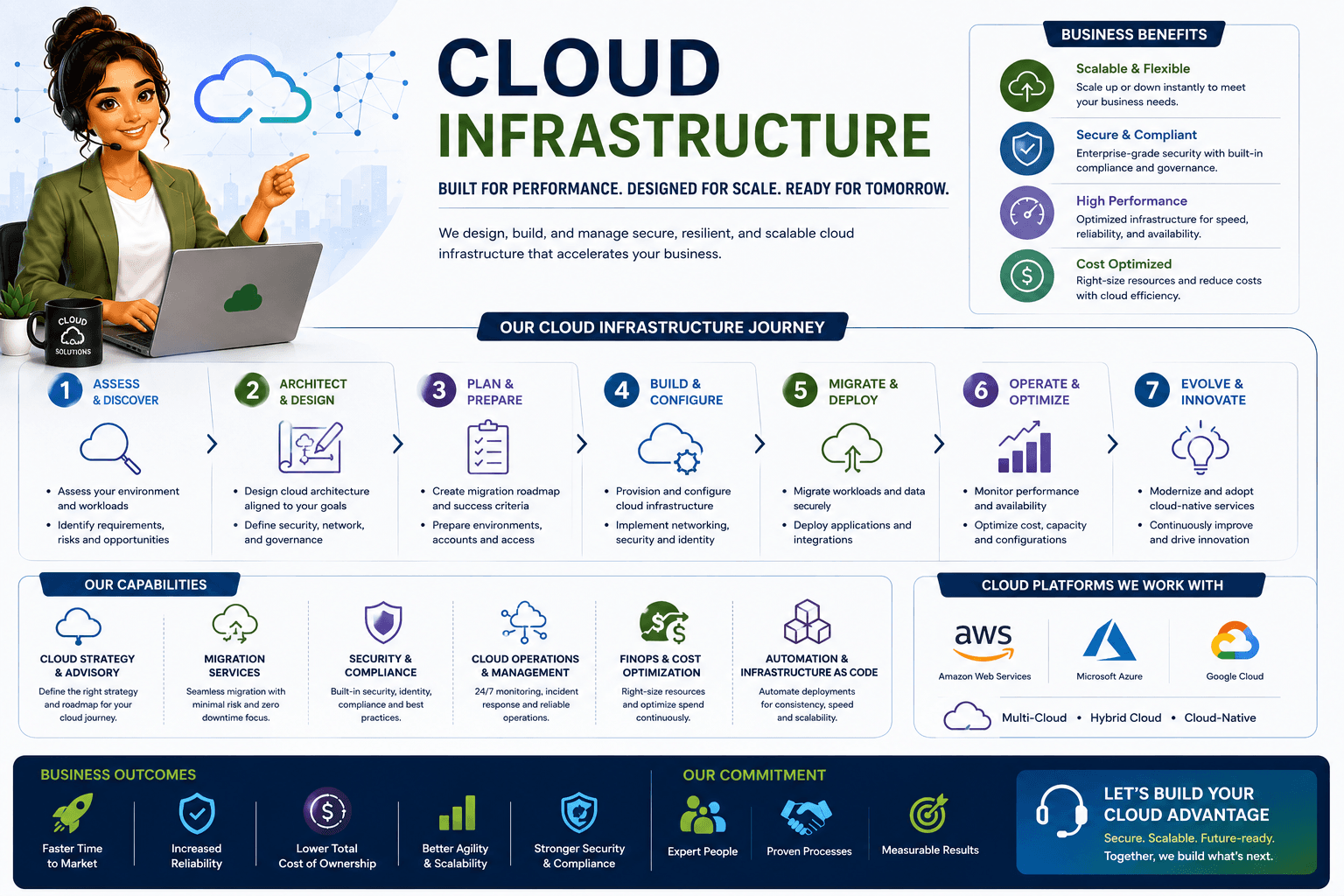
A review against the AWS, Azure, and GCP Well-Architected pillars. We check your network topology, IAM boundaries, backup and recovery testing, Terraform state hygiene, and where reserved capacity sits unused. Free on every proposal call.
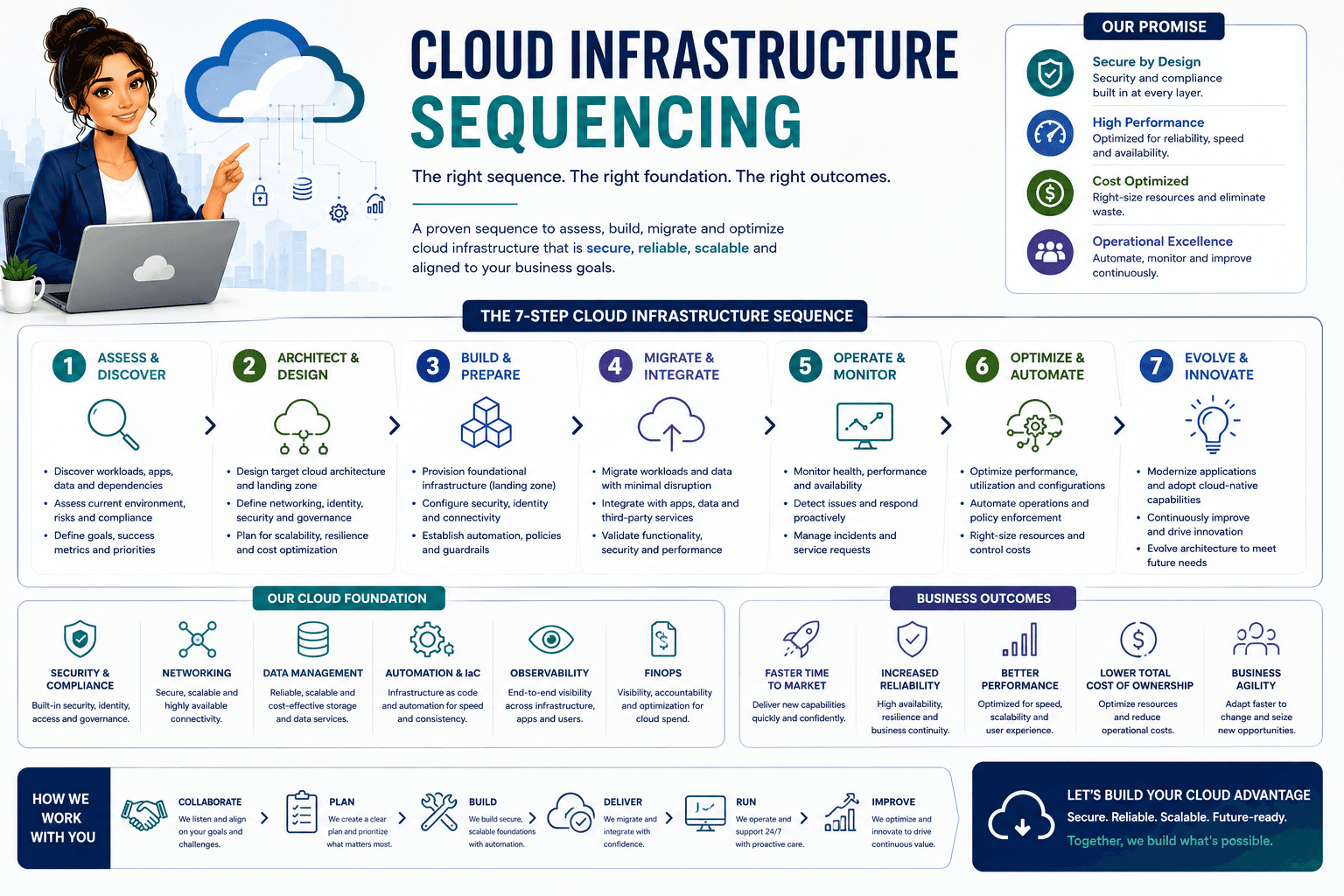
A sequenced roadmap that ties each migration and hardening step to one target you pick, such as p95 latency or monthly cloud spend.
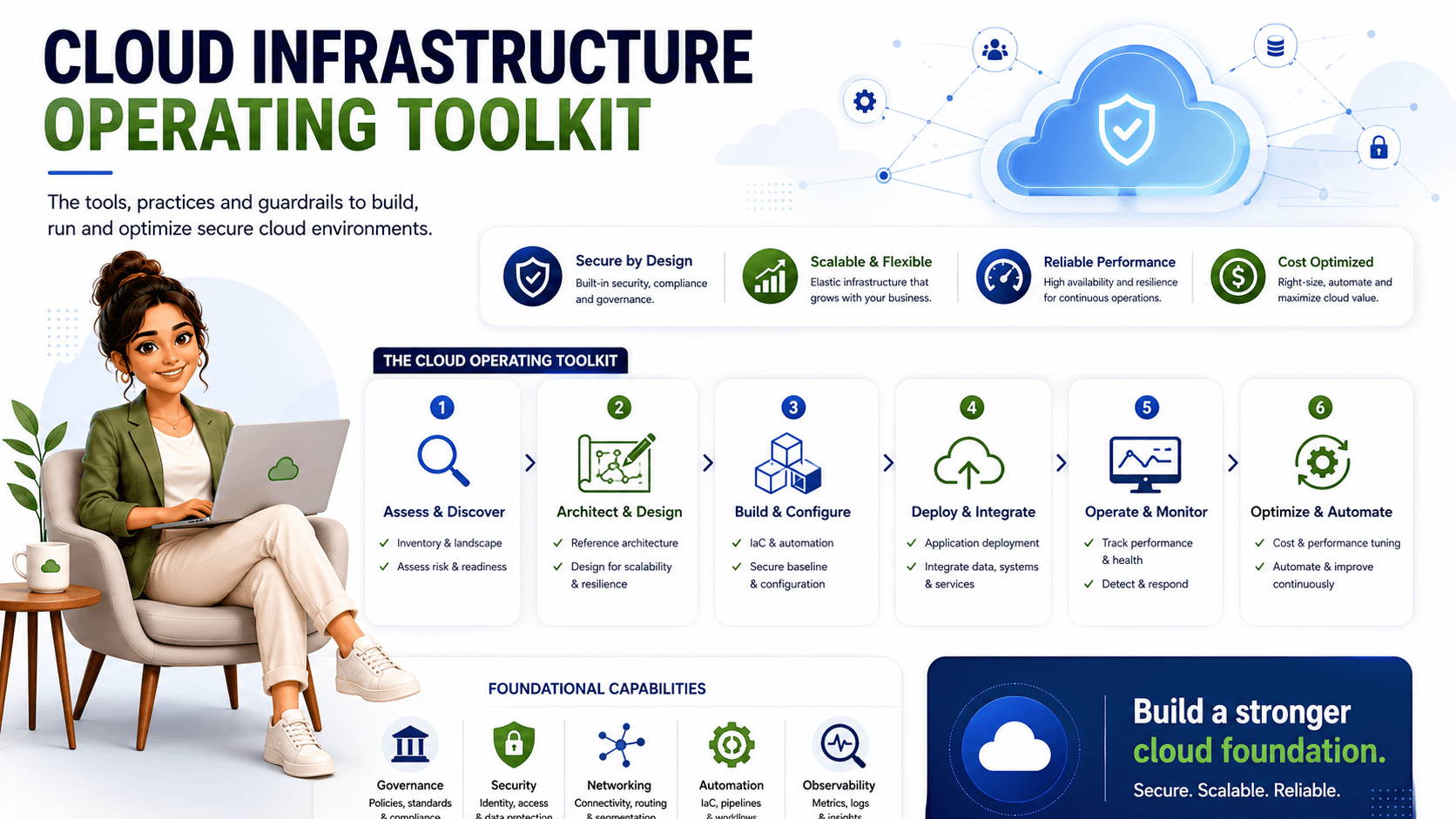
An internal toolkit that scans your accounts for waste and misconfiguration, then ranks fixes by cost and risk so finance can budget them.
Three repeatable practices that make each cloud estate cheaper, safer, and easier to run over time.
A free readout of your cloud setup, scored against the Well-Architected pillars. We map your VPC design, autoscaling rules, recovery gaps, and cost leaks into a single 0-100 number plus the fix list. No follow-on commitment.
A written cloud plan tied to one operational metric you pick, like recovery time or cost per environment. The architect who scopes your Terraform and network design is the one who builds it. Every SoW stays month to month, with no annual lock-in.
A weekly working session with the architect on your account, plus a monthly cost-and-uptime summary your finance team can read. The work stacks: security hardening and network cleanup first, then workload migration, then automated pipelines and drift detection.
Sibling Dcrayon services inside the Cloud and Data category. Programs clients often layer alongside Cloud Infrastructure.

The architect who reviews your VPCs, IAM, and cost model keeps building them. No handoff to a junior after signing.

A written diagnostic and fixed estimate from a real Well-Architected review, so you see scope and cost before any contract.

Spend anomaly alerts, capacity forecasting, and copilot-assisted incident triage ship on every account, wired into CloudWatch and your chat tools.

Weekly working sessions and a monthly report showing cost per environment, uptime, and progress on the one target you picked, in plain numbers.



Across our 60+ active solutions retainers, the 12-month waste we measure for teams with no cost governance, idle instances, oversized nodes, and unclaimed reserved capacity, lands in the Rs 6L to Rs 90L band. Book the scoping call to size yours.
Free Well-Architected style review of your AWS, Azure, or GCP estate
Written migration and hardening plan tied to one metric you pick

Onboarding begins with read-only access and a Well-Architected review, then landing-zone and pipeline setup. Post-incident support can begin sooner, once access is granted.
Both. Some teams hand us the full estate. Others keep an internal ops team and use us for architecture, reviews, and on-call escalation. We scope per account.
Managed cloud retainers usually run Rs 4 to 8 lakh per month in India, or USD 6 to 15 thousand globally. A one-time estate audit costs less.
Yes. We run a free estate review on the first call, scoring resilience, cost, and security, with no follow-on commitment.